Daijiworld Media Network - Washington
Washington, May 21: Americans are facing mounting financial pressure as the prices of groceries, fuel and household essentials continue to climb amid a fresh surge in inflation, with experts linking the trend to global geopolitical tensions and disruptions in energy supply chains.
According to the latest figures released by the US Bureau of Labor Statistics (BLS), the Consumer Price Index (CPI) rose 3.8 per cent in the 12 months ending April — the highest annual inflation rate recorded since 2023.
Inflation increased by 0.6 per cent during April alone, driven largely by rising energy costs and steadily increasing food prices, further straining household budgets across the country.
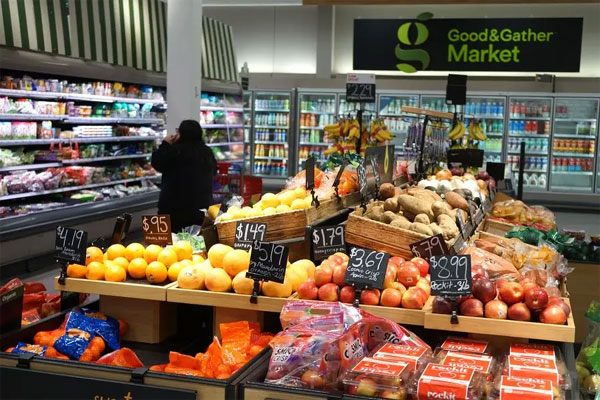
“Everything costs more now — food, fuel, rent, clothing, almost everything,” said Glendale resident and mother of two Maxi Baker while speaking to Xinhua. Her concerns reflect the frustration many Americans are experiencing as daily expenses continue to rise.
Economists have identified surging energy prices as one of the main causes behind the latest inflation spike. Ongoing tensions in the Middle East and disruptions in oil transport routes through the Strait of Hormuz — a key global energy corridor — have significantly affected fuel markets.
The BLS reported that the energy index rose 17.9 per cent over the past year, while gasoline prices surged 28.4 per cent during the same period. Energy alone contributed more than 40 per cent of the overall increase in inflation recorded in April.
Data from the American Automobile Association showed that average gasoline prices in the US have crossed 4.50 dollars per gallon nationwide.
Analysts note that higher fuel costs have a widespread economic impact, as transportation expenses influence the prices of nearly all goods and services, including groceries, shipping and air travel.
Food inflation has also emerged as a major concern for consumers. The BLS said grocery prices increased by 0.7 per cent in April, with items such as beef, coffee, fruits and vegetables witnessing noticeable price hikes.
The impact is particularly severe for lower- and middle-income families, who spend a larger portion of their income on essential food items. Even moderate increases in grocery prices can significantly disrupt household budgets and alter spending habits.
Housing expenses also continued to rise steadily. According to the BLS, both rent and owners’ equivalent rent increased by 0.5 per cent during April, adding further pressure on consumers already dealing with elevated living costs.
Adding to concerns, wage growth is no longer keeping pace with inflation. Real average hourly earnings fell 0.5 per cent from March to April and declined 0.3 per cent compared with April last year, indicating that consumers’ purchasing power is shrinking despite salary increases.
Economists warn that when incomes fail to match rising prices, households often respond by cutting discretionary spending, relying more heavily on credit cards or delaying major purchases.
Retail employee Denise Cohn from Los Angeles described the growing financial strain, saying, “Everything is becoming more expensive, and money simply doesn’t last as long anymore.”