Daijiworld Media Network - Mumbai
Mumbai, Jun 17: As both factions of the Shiv Sena prepare to celebrate the party's foundation day on June 19, the occasion has evolved into far more than a commemorative event. This year, it is shaping up to be a major political showdown that could influence the future direction of Maharashtra politics.
With the monsoon session of the state legislature approaching and speculation surrounding "Operation Tiger" intensifying, both camps are treating the anniversary as an opportunity to demonstrate their organisational strength and political relevance.
In Maharashtra's increasingly fragmented political environment, June 19 has become a contest for narrative control, where the faction that succeeds in projecting itself as the rightful inheritor of the Shiv Sena legacy could gain a significant advantage ahead of future electoral battles.
The event also marks a historic milestone, as 2026 commemorates the 60th anniversary of the party founded by Balasaheb Thackeray in 1966.
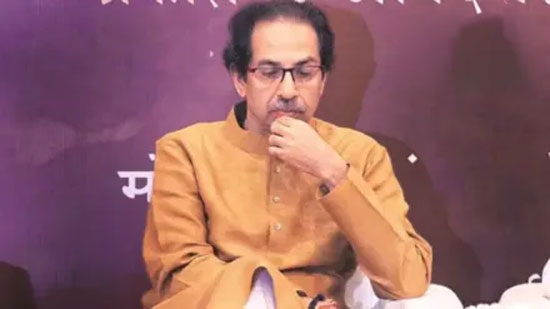
For the Uddhav Thackeray-led Shiv Sena (UBT), safeguarding the party's original Marathi regional identity while maintaining internal unity remains a major challenge. The camp is currently grappling with rumours that several MPs and MLAs are being approached by rivals to switch sides.
Reports of attractive financial offers to legislators have prompted the leadership to intensify efforts to reinforce loyalty and prevent defections.
Another challenge for the UBT faction is functioning without the original party name and the iconic 'Bow and Arrow' election symbol. The leadership continues to invest considerable effort in ensuring that voters strongly associate the party with its new identity and election symbol.
At the same time, Uddhav Thackeray faces the delicate task of balancing ideological expectations within the Maha Vikas Aghadi (MVA). He must reassure his traditional Marathi-Hindutva support base while maintaining alignment with the broader secular agenda of his alliance partners.
For the Thackeray camp, a united appearance by all elected representatives during the foundation day celebrations is considered essential to dispel speculation about internal instability and demonstrate organisational cohesion.
The leadership also hopes to convert public sympathy into political capital by highlighting that, despite past rebellions and the loss of legislators, it still enjoys considerable support among traditional Shiv Sena voters at the grassroots level.
Meanwhile, the Eknath Shinde-led Shiv Sena is focused on translating its administrative authority and legal recognition into long-term electoral acceptance.
Although the faction has secured the official party name and election symbol through legal processes, it continues to face criticism from opponents who portray it as overly dependent on the BJP rather than an independent political force.
The induction of opposition leaders and grassroots workers into the party structure indicates that building a sustainable and independent organisational network remains a gradual and demanding exercise.
The Shinde faction also has to manage the complexities of governing within a coalition, where seat-sharing negotiations and local rivalries frequently create friction among party workers and alliance partners.
Eknath Shinde has consistently maintained that he preserved Balasaheb Thackeray's original Hindutva ideology after accusing Uddhav Thackeray of deviating from the party's foundational principles.
The foundation day celebrations therefore provide Shinde with a platform to reinforce his claim that he is carrying forward Balasaheb Thackeray's vision and protecting the party's ideological identity.
Ultimately, both factions are engaged in a larger battle that goes beyond organisational control. The contest is about establishing political legitimacy, preserving relevance in Maharashtra's evolving political landscape and proving who can most convincingly carry forward the legacy of Shiv Sena founder Balasaheb Thackeray.