Daijiworld Media Network - New York
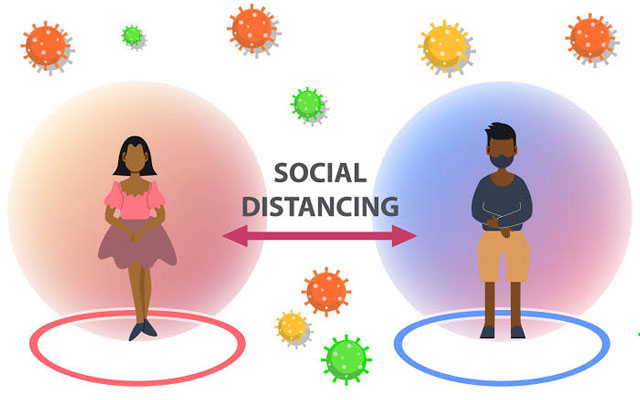
New York, Jun 25: A new study has found that prolonged physical distancing among immunocompromised adults more than three years after the emergence of COVID-19 is associated with poorer quality of life, increased activity limitations and greater social and emotional challenges.
The cross-sectional observational EAGLE study assessed 2,320 immunocompromised adults from the United States and the United Kingdom who completed an online survey between December 2022 and June 2023.
The study aimed to measure ongoing physical distancing practices adopted to avoid COVID-19 exposure and examine their relationship with health-related quality of life, loneliness, anxiety, depression, work productivity and daily activity impairment.
Researchers noted that despite widespread vaccination, immunocompromised individuals may continue to experience weaker vaccine responses and remain cautious about exposure to infections.
In the study group, 68 per cent of participants reported moderate to high levels of physical distancing during the previous four weeks, indicating that pandemic-related behavioural changes continued well beyond the initial phase of COVID-19.
The researchers found that physical distancing had links with several quality-of-life indicators, including disease impact, reduced daily functioning, activity impairment and lower workplace productivity.
The study reported that physical distancing showed low-to-moderate associations with health-related quality of life measures. Stronger connections were observed with disease impact and functional disruptions.
Preliminary structural equation modelling showed that physical distancing had a notable relationship with daily functioning. The reported standardised estimates were 0.46 for the Quality of Life Disease Impact Scale (QDIS), 0.40 for activity impairment and 0.29 for workplace presenteeism.
The findings were consistent even after adjusting for other influencing factors through statistical analysis, researchers said.
However, the study does not prove that physical distancing directly causes reduced quality of life. Instead, it highlights that continued COVID-19 avoidance measures and lower well-being remain closely linked among many immunocompromised adults.
Researchers said the findings underline the need for healthcare providers to discuss not only infection prevention but also mental health, social interaction, employment participation and daily functioning with immunocompromised patients.
The study also emphasised that while continued caution may be medically necessary for some individuals, long-term distancing can carry personal and functional challenges that should be considered during healthcare decisions.