Daijiworld Media Network - New Delhi
New Delhi, Dec 21: The HPV vaccine, widely known for its role in preventing cervical cancer, also offers strong protection against precancerous conditions of the vulva and vagina, according to new research.
A large study published in JAMA Oncology found that women who received at least one dose of the quadrivalent HPV vaccine had a 37 per cent lower risk of developing high-grade vulvovaginal lesions compared to those who were not vaccinated. The protective effect was even more pronounced when vaccination occurred early in life.
Among girls vaccinated between the ages of 10 and 16, the incidence of vaginal and vulvar precancers was reduced by 57 per cent. Researchers attribute this stronger protection to the likelihood that younger individuals are vaccinated before being exposed to HPV.
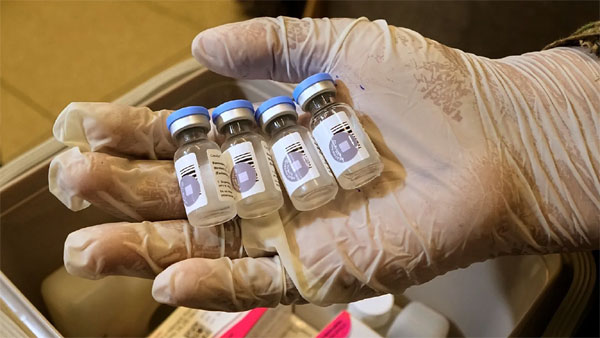
“The results highlight how important it is to vaccinate at an early age,” said researchers from Sweden’s Karolinska Institutet. “Early vaccination significantly lowers the chance of HPV-related disease later in life.”
The findings are based on a nationwide cohort study involving nearly 7.8 lakh women born between 1985 and 1998 and living in Sweden between 2006 and 2022. During the follow-up period, researchers recorded 98 cases of high-grade vulvovaginal lesions among vaccinated women, compared with 547 cases among those who were unvaccinated.
Vulvar and vaginal lesions can range from harmless skin changes to precancerous conditions that may progress to cancer if left untreated. Detecting and preventing these lesions early greatly improves treatment outcomes.
HPV remains the most common sexually transmitted infection worldwide and is linked to over 6.9 lakh new cancer cases every year, including cervical, genital, and certain head and neck cancers.
The study adds to growing evidence that HPV vaccination provides broader cancer protection than previously understood and reinforces the public health importance of vaccinating girls at a young age to maximise long-term benefits.