Daijiworld Media Network - New Delhi
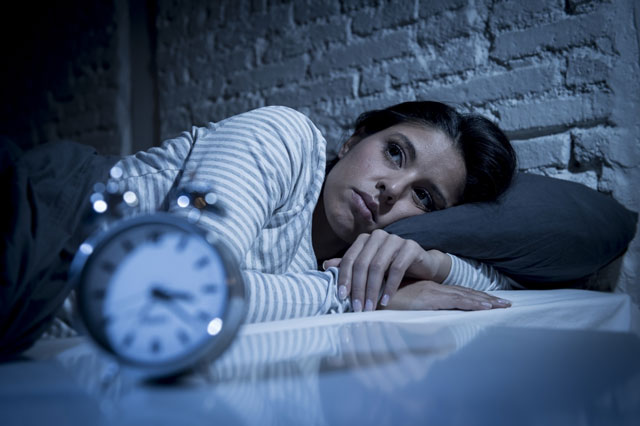
New Delhi, Feb 22: Sleep, once effortless in youth, is increasingly becoming a struggle for young adults across cities. Long nights and irregular schedules that were once manageable are now leaving many in their twenties exhausted, anxious and dependent on caffeine to function.
Doctors report a rise in young professionals experiencing fatigue, brain fog, irritability and mood disturbances directly linked to poor sleep. Insomnia is no longer confined to older age groups. It is emerging as a defining lifestyle issue for a generation navigating constant stimulation and irregular routines.
According to Partap Chauhan, Director of Jiva Ayurveda, the roots of the crisis extend beyond long work hours. “Sleep is not simply about closing your eyes. It reflects how balanced your body rhythms and nervous system are. When daily routines become irregular, the body loses its natural ability to switch off,” he explains.
From an Ayurvedic perspective, sleep disturbances signal internal imbalance rather than a standalone disorder. Dr Chauhan notes that excessive mental activity, irregular meals, frequent travel and late-night habits aggravate vata dosha, leading to restlessness and fragmented sleep. Unlike physical exhaustion that once ensured deep rest, mental overstimulation now keeps the nervous system alert even when the body feels tired.
Technology has further disrupted natural sleep cycles. Exposure to artificial light at night suppresses melatonin, the hormone that regulates sleep. Scrolling through phones in bed, working late under bright screens or streaming content signals to the brain that it is still daytime.
“Your body relies on predictable rhythms,” Dr Chauhan says. “When meal times, sleep schedules and activity patterns constantly change, digestion weakens and the nervous system remains active. Over time, insomnia becomes chronic.” Late heavy dinners or skipping meals add to the disruption, as digestion and sleep quality are closely linked in Ayurveda.
Quick fixes such as sleeping pills or alcohol may induce temporary sedation, but experts warn that sedation does not equal restorative sleep. “True sleep repairs tissues and calms the nervous system. Artificial sleep may reduce awareness but does not necessarily heal the body,” he adds.
Prolonged sleep disruption can affect immunity, hormonal balance, metabolism and emotional wellbeing. Experts recommend consistency rather than drastic changes. Simple evening rituals such as reading, meditation or gentle oil massage can calm the mind naturally. Reducing screen exposure at night, sipping warm herbal drinks and practising mindful breathing can help signal the body that it is time to rest.
While occasional sleepless nights are common, chronic insomnia should not be ignored. Persistent fatigue, irritability, repeated awakenings and dependence on stimulants may indicate deeper issues such as anxiety, hormonal imbalance or digestive disturbances. Early consultation with professionals can prevent the condition from escalating.
“Young adults believe they can recover later,” Dr Chauhan observes. “But the body remembers every imbalance. Rest is not a luxury. It is the foundation of clarity, strength and emotional stability.”
In a world that rarely slows down, reclaiming healthy sleep may be one of the most important acts of self-care for today’s youth.