Daijiworld Media Network - New Delhi
New Delhi, Apr 4: India’s seventh flagged LPG tanker, Green Sanvi, successfully crossed the Strait of Hormuz on Friday, marking continued progress in the safe transit of fuel shipments amid escalating tensions in West Asia. Six other LPG vessels had already reached Indian ports after navigating the Strait since the outbreak of conflict in the region.
Currently, 17 Indian ships remain stranded west of the Strait, including two LPG carriers — Green Asha and Jag Vikram — which are expected to head toward India shortly, sources familiar with the situation said. Earlier reports indicated that three LPG carriers were drifting northeast of Abu Musa Island, following instructions from the Indian Navy and awaiting orders to transit the Strait safely.
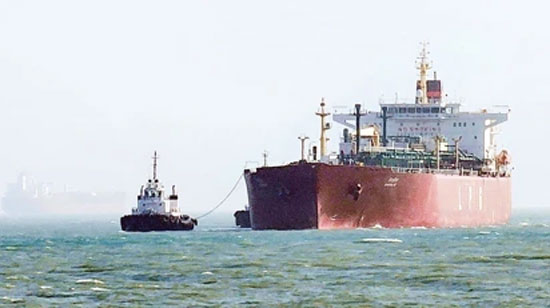
Meanwhile, a foreign vessel reportedly carrying Iranian crude oil to India has changed course mid-voyage and is now heading toward China.
Sumit Ritolia, lead analyst at global analytics firm Kpler, noted that such mid-journey destination changes are not unusual for Iranian crude but reflect heightened sensitivity to financial terms and counterparty risk.
“The shift appears to be payment-related, with sellers tightening terms, moving away from the earlier 30–60 day credit window towards upfront or near-term settlement. If payment issues are resolved, the cargo could still reach an Indian refinery,” Ritolia explained.
This trend highlights how commercial and financial considerations are becoming as crucial as logistics in determining Iranian crude flows to nations other than China.
According to MarineTraffic data, the Eswatini-flagged crude tanker Ping Shun, carrying approximately six lakh barrels, had earlier indicated a course toward the Vadinar facility of Deendayal Port. It is now signaling Dongying, China, as its destination. This would have been India’s first shipment of Iranian crude in six years if it had reached Vadinar. It remains uncertain whether the vessel will maintain this new course or adjust it again during transit.
The developments underscore both the operational and commercial complexities India faces in securing energy supplies amid ongoing Middle East instability.