Daijiworld Media Network – Gaza City
Gaza City, May 14: Amid ongoing conflict and widespread destruction, a growing number of freelancers in Gaza are relying on remote digital work to earn income and maintain a sense of normalcy, even as basic services remain severely disrupted.
One such worker, 44-year-old programmer Tarik Zaeem, continues to code for international clients while navigating bombed-out streets of Gaza City to reach a coworking space with stable internet and electricity. He is currently working on a Saudi valet parking app, debugging its barcode system.
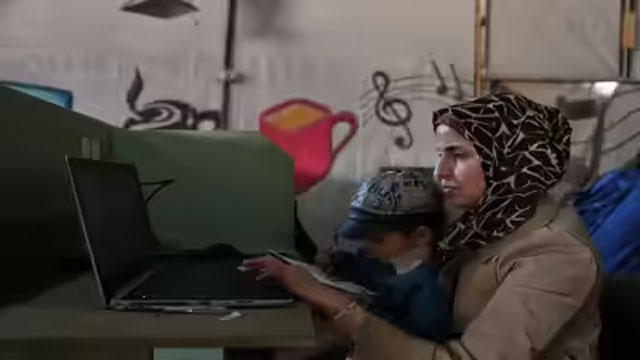
Zaeem said remote work provides both financial support and psychological relief amid the ongoing crisis.
“When I work, I forget everything and focus on the coding,” he said, adding that it allows him to momentarily distance himself from the struggles of providing for his family, who have fled to Egypt.
Despite the war, a community of developers, designers and programmers continues to serve clients abroad through platforms such as Freelancer.com, Upwork and Mostaql, earning income from international projects including app development, website design and digital services.
The practice of digital freelancing in Gaza has grown over the past decade, particularly after traditional industries weakened under blockade conditions. Prior to the war, high internet penetration and youth unemployment pushed many graduates toward online work, supported by training centres, incubators and NGO-backed tech initiatives.
However, much of that infrastructure was damaged or destroyed during the conflict that began after the October 7 attacks, which triggered a prolonged Israeli military offensive. Large sections of Gaza’s population were displaced, and access to electricity and internet connectivity became highly unstable.
Despite these challenges, some coworking spaces have reopened or adapted. Software engineer Sharif Naim founded Taqat Gaza, a solar-powered workspace that now supports more than 500 freelancers working in shifts to cope with limited electricity.
He said efforts are now focused on rebuilding skills and creating a sustainable digital work environment so freelancers can remain competitive globally.
Women have also increasingly turned to freelancing as households struggle with rising costs and loss of traditional income sources. Graphic designer Reem Alkhateeb said online work has become essential for her family’s survival amid shortages of food, water and basic services.
However, freelancers continue to face major financial hurdles, including limited access to banking services and international payment platforms, forcing many to rely on intermediaries or costly cash transfer systems.
In response, initiatives such as “Gaza Talents,” founded by Salsabil Bardawi, have emerged to connect local freelancers with international clients and facilitate payments through partner institutions, helping workers earn income despite restrictions.
Bardawi said the goal is to ensure that people in Gaza can continue working if they have access to basic tools such as a laptop, internet and electricity, even as the broader humanitarian situation remains dire.