Daijiworld Media Network - New Delhi
New Delhi, Jun 2: The Ministry of Health and Family Welfare has issued a public health advisory on Ebola virus disease, urging travellers arriving from affected regions to remain vigilant while confirming that no Ebola cases have been reported in India as of June 2, 2026.
In a statement shared on social media, the ministry said the country remains free of Ebola infections but emphasized the importance of early symptom reporting and prompt medical intervention.
The advisory comes in response to a renewed outbreak of the disease in parts of Africa, prompting health authorities around the world to strengthen surveillance measures and issue precautionary guidelines.
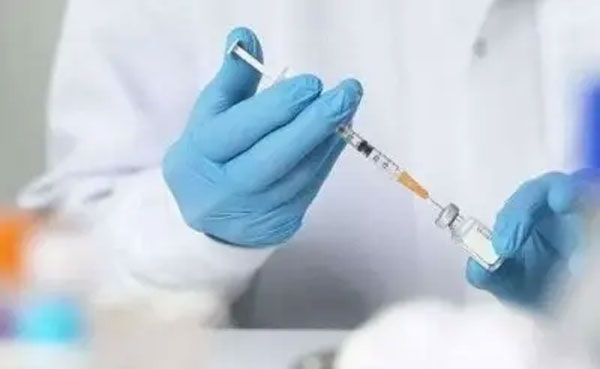
According to the ministry, individuals who have travelled from or transited through countries affected by Ebola within the previous 21 days should closely monitor their health. Travellers experiencing symptoms such as fever, headache, muscle pain, vomiting, diarrhoea, or unexplained bleeding have been advised to immediately isolate themselves and notify local health authorities.
Officials stressed that early detection and reporting are essential to preventing the spread of the disease and improving patient outcomes.
The government has also encouraged the public to seek information or assistance through its 24-hour health helpline, 1075, which remains available for guidance related to Ebola and other public health concerns.
Ebola Virus Disease is a severe and often life-threatening illness that affects humans and certain animals. According to the World Health Organization, the disease has historically recorded an average fatality rate of around 50 per cent, although mortality rates have varied significantly across outbreaks.
The virus spreads through direct contact with the blood, bodily fluids, organs, or other tissues of infected individuals or animals. Human-to-human transmission can also occur through contact with contaminated surfaces and materials.
Health experts continue to emphasize that rapid identification, isolation, and monitoring of suspected cases remain the most effective tools for containing outbreaks.
The ministry's advisory highlights a 21-day observation period for travellers from affected regions, reflecting the maximum known incubation period of the Ebola virus—the time between exposure and the appearance of symptoms. This monitoring window is widely used by international health agencies as part of disease surveillance and contact-tracing protocols.
While authorities have reassured the public that no Ebola infections have been detected in India, they have urged travellers and healthcare providers to remain alert and follow all recommended precautions amid the ongoing outbreak abroad.