Daijiworld Media Network - Ulan Bator
Ulan Bator, Jun 10: Mongolian authorities have culled more than 1,200 livestock animals in the western provinces of Bayan-Ulgii and Khovd following outbreaks of the highly contagious Foot-and-Mouth Disease (FMD), according to the country's General Authority for Veterinary Services (GAVS).
Officials reported that at least 1,230 infected animals were destroyed as part of efforts to contain the spread of the disease, which poses a serious threat to livestock populations and the agricultural economy.
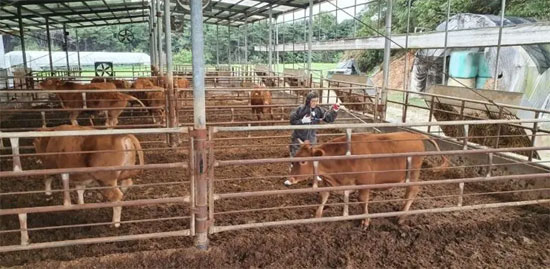
The affected animals were found to be carrying the SAT-1 serotype of the FMD virus, a strain detected in Mongolia for the first time. Authorities confirmed that the outbreaks were initially identified in late May and have since prompted extensive disease-control measures.
Veterinary experts have warned that the SAT-1 variant is particularly aggressive and capable of spreading rapidly through multiple channels, including airborne transmission, contaminated equipment and vehicles, human activity, and contact with wild animals.
In response to the outbreak, provincial administrations in Bayan-Ulgii and Khovd have declared an elevated state of preparedness for an indefinite period, strengthening surveillance and containment efforts to prevent further transmission.
Adding to the concern, authorities have also reported cases involving the O serotype of the virus in six of Mongolia’s 21 provinces. The O strain is the most commonly reported variant globally and is responsible for the majority of Foot-and-Mouth Disease outbreaks worldwide.
Livestock farming plays a critical role in Mongolia’s economy and cultural identity. The country is renowned for its centuries-old nomadic traditions, with animal husbandry remaining a primary source of livelihood for many communities.
According to data from Mongolia’s National Statistics Office, the country had approximately 58.1 million livestock animals at the end of 2025, representing a modest increase of 0.8 per cent compared to the previous year.
Foot-and-Mouth Disease is a highly infectious viral illness that affects cloven-hoofed animals such as cattle, sheep, goats, pigs and other ruminants. While it rarely affects humans, the disease can cause severe economic losses by reducing livestock productivity and disrupting domestic and international trade in animals and animal products.
Because of its ability to spread rapidly across borders, FMD is classified as a transboundary animal disease and remains one of the most closely monitored livestock diseases worldwide.