Daijiworld Media Network - New York
New York, Jun 13: Tech entrepreneur Elon Musk has become the world's first trillionaire after aerospace company SpaceX made a record-breaking stock market debut, driving his net worth beyond the unprecedented $1 trillion mark.
SpaceX's highly anticipated initial public offering (IPO) emerged as the largest in history, with shares opening strongly and gaining nearly 19 per cent on their first trading day. The surge pushed the company's valuation above $2 trillion, placing it among the world's most valuable publicly traded firms.
Musk, who owns a significant stake in SpaceX, witnessed a massive increase in his personal wealth as investors rushed to buy the stock. Wealth estimates following the IPO placed his fortune at more than $1 trillion, making him the first individual ever to reach the milestone.
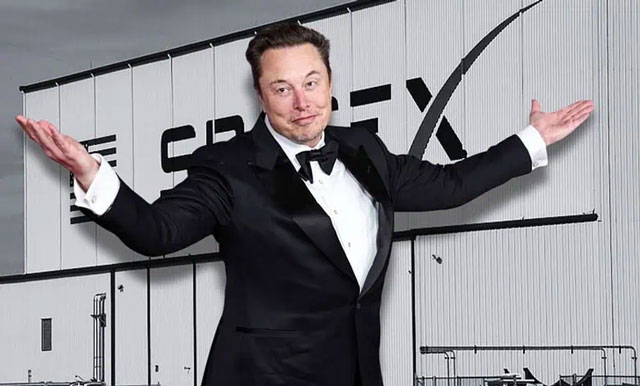
Founded in 2002, SpaceX has transformed the global space industry through reusable rocket technology, commercial satellite launches, and ambitious missions aimed at deep-space exploration. The company has also built a vast satellite internet network through Starlink, which has become a major contributor to its revenue growth.
Investor enthusiasm surrounding SpaceX's future prospects fuelled strong demand for the IPO, which was reportedly oversubscribed several times. Analysts cited the company's dominant position in commercial spaceflight, expanding satellite business, and long-term growth potential as key factors behind the soaring valuation.
The landmark listing is also expected to create substantial wealth for thousands of current and former SpaceX employees holding company shares. The IPO reportedly raised tens of billions of dollars, setting new records for public offerings.
Musk's achievement further strengthens his position as the world's richest person and adds another milestone to a career that has seen him lead major ventures in electric vehicles, artificial intelligence, space technology, and satellite communications.
The historic valuation has also sparked renewed discussions on wealth concentration and economic inequality, with supporters hailing it as a reward for innovation while critics question the growing accumulation of wealth among a handful of technology leaders.