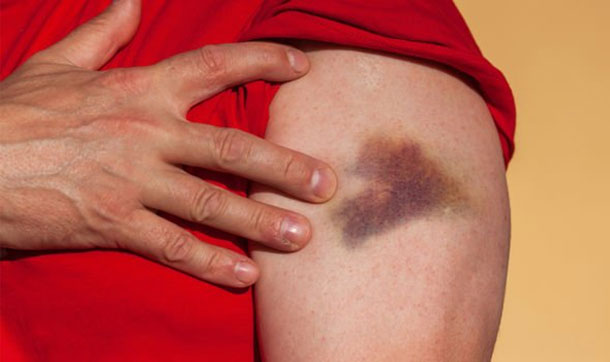
We all get the occasional bruise - a bump against a table, a knock during a game, and a blue-black mark appears for a few days before fading away. In most cases, bruising and minor bleeding are completely harmless and have a clear explanation. But when bruises start showing up without any obvious cause, or when bleeding becomes frequent and difficult to stop, it can understandably cause worry. Occasionally, these changes can be an early warning sign of an underlying blood disorder - including blood cancer.
This does not mean that every unexplained bruise is a reason to panic. Still, knowing the common blood cancer symptoms and understanding when bruising and bleeding deserve medical attention can help you act early and protect your health. In this article, we explain why blood cancers can cause these signs, what to look out for, and when it is time to see a doctor.
Why Do Blood Cancers Cause Bruising and Bleeding?
To understand the link, it helps to know how your blood works. Your bone marrow - the soft tissue inside your bones - produces three main types of blood cells: red blood cells that carry oxygen, white blood cells that fight infection, and platelets that help your blood clot.
Blood cancers such as leukaemia, lymphoma, and myeloma interfere with this process. In leukaemia, for example, the bone marrow produces large numbers of abnormal cells that crowd out the healthy ones. When the number of healthy platelets drops too low, the blood can no longer clot properly. The result can be easy bruising, prolonged bleeding from small cuts, and bleeding that seems to happen for no reason at all. A shortage of healthy white blood cells at the same time can also leave the body more prone to infections.
Signs of Unexplained Bruising and Bleeding to Watch For
Certain patterns are worth paying attention to, especially when they appear repeatedly:
- Bruises that appear without any injury, or that are unusually large
- Tiny red, purple, or brown pinpoint spots on the skin, often on the lower legs (called petechiae)
- Frequent or prolonged nosebleeds
- Bleeding gums, particularly while brushing your teeth
- Heavy or unusually long menstrual periods
- Bleeding that is slow to stop after a minor cut
- Blood in the urine or stool
Other Symptoms That May Appear Alongside
Bruising and bleeding rarely occur on their own when blood cancer is involved. People often notice other changes too, such as persistent tiredness and weakness, unexplained weight loss, frequent infections, recurring fevers, drenching night sweats, painless swollen lymph nodes in the neck, armpit, or groin, and pale skin or breathlessness. Bone or joint pain and a feeling of fullness in the abdomen can also occur. When several of these signs appear together, it is a clear signal to seek medical advice rather than wait.
What Else Could Be Causing It?
It is important to remember that bruising and bleeding have many causes that are not cancer. Blood-thinning medications, aspirin, and steroids can all make bruising more likely. Ageing skin bruises more easily, and a deficiency of vitamin C or vitamin K can play a role too. Certain inherited clotting conditions and liver problems may produce similar symptoms. This is exactly why proper evaluation matters - only a doctor can pinpoint the true cause and rule out anything serious.
When Should You See a Specialist?
You should seek medical advice if you notice frequent unexplained bruising, persistent bleeding, or petechiae - particularly when combined with fatigue, fever, weight loss, or swollen glands. A simple blood test can reveal a great deal, and if anything appears unusual, further tests such as a blood film or a bone marrow examination can provide clear answers. Consulting an experienced blood cancer specialist in Pune ensures that you receive an accurate diagnosis and, if required, the right treatment at the earliest possible stage. Dedicated cancer centres such as Onco Life Hospital offer expert evaluation, advanced diagnostics, and compassionate care, all under one roof.
Don't Ignore the Warning Signs
Most blood cancers are far more treatable when they are caught early, and many people go on to live full, healthy lives after timely treatment. The key is not to brush off persistent symptoms as "just a bruise." If something feels off and simply isn't improving, trust your instincts and have it checked. Early action could make all the difference.
Disclaimer: This article is intended for general awareness and educational purposes only. It is not a substitute for professional medical advice, diagnosis, or treatment. If you are experiencing persistent or concerning symptoms, please consult a qualified doctor or cancer specialist.