Daijiworld Media Network – Jerusalem
Jerusalem, Jun 17: Several Israeli political commentators and analysts have sharply criticised Prime Minister Benjamin Netanyahu following reports that a US-Iran understanding aimed at ending recent hostilities was reached without Israel being directly involved in the negotiations.
The criticism came after Netanyahu acknowledged that he was not fully aware of the details of a reported memorandum of understanding between Washington and Tehran intended to de-escalate tensions following months of conflict.
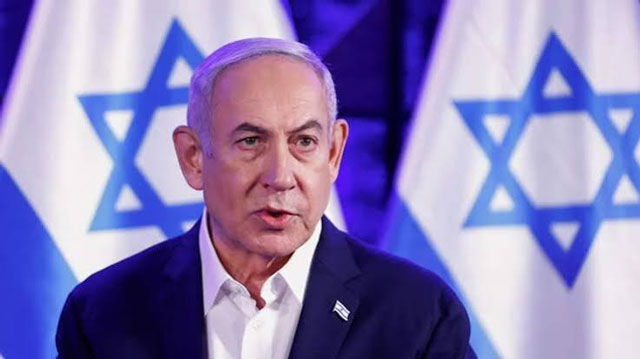
Addressing a press conference on Monday, Netanyahu defended Israel's military actions against Iran, claiming they had prevented a major security threat and protected Israeli citizens. He also acknowledged differences with US President Donald Trump, saying disagreements can occur even among close allies.
However, prominent Israeli commentators questioned the outcome of the conflict and Israel's role in the reported agreement.
Writing in the Israeli daily Haaretz, columnist Yossi Verter argued that Netanyahu's claims of achieving major strategic gains were difficult to reconcile with reports that Israel was not involved in shaping the final understanding between the United States and Iran. Verter also questioned whether several of the objectives cited at the beginning of the conflict had been achieved.
Similarly, Maariv columnist Ben Caspit described the development as a diplomatic setback for Netanyahu, arguing that Israel appeared to have been left on the sidelines during key negotiations. He questioned the long-term benefits of the military campaign if Iran ultimately secures sanctions relief and economic advantages under a future agreement.
Another Israeli commentator, Barak Seri of the Walla news portal, said the reported deal had generated unease within sections of the Israeli political establishment. He claimed that some officials viewed the arrangement as insufficiently addressing concerns related to Iran's nuclear programme, missile capabilities and support for regional armed groups.
The reported agreement remains the subject of conflicting accounts. While US President Donald Trump has stated that an agreement has already been signed electronically and that the Strait of Hormuz will be fully reopened, Iranian officials have indicated that a formal signing ceremony is scheduled to take place in Switzerland on June 19.
According to media reports, the understanding could pave the way for a ceasefire and a period of technical negotiations between the two countries. However, the full details of the proposed agreement have not yet been made public.
The United States and Israel have long accused Iran of seeking nuclear weapons capability, a charge Tehran has consistently denied, maintaining that its nuclear programme is intended solely for peaceful purposes.
The developments have added a new dimension to the ongoing debate within Israel over the government's handling of security and foreign policy, with opposition voices questioning whether the country's strategic objectives were achieved through the recent conflict.