Daijiworld Media Network - London
London, June 22: British Prime Minister Keir Starmer announced his resignation on Monday, triggering a dramatic leadership transition that could make Britain’s next leader its seventh prime minister in just over a decade.
The embattled Labour leader said he would step down after mounting pressure from within his party over plunging popularity and growing doubts about his ability to lead Labour into the next general election.
Starmer will remain as caretaker prime minister until a new Labour leader is chosen, with the succession process set to begin in July and conclude by September.
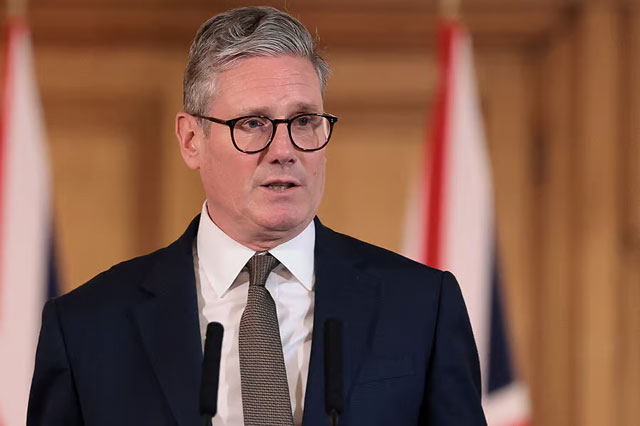
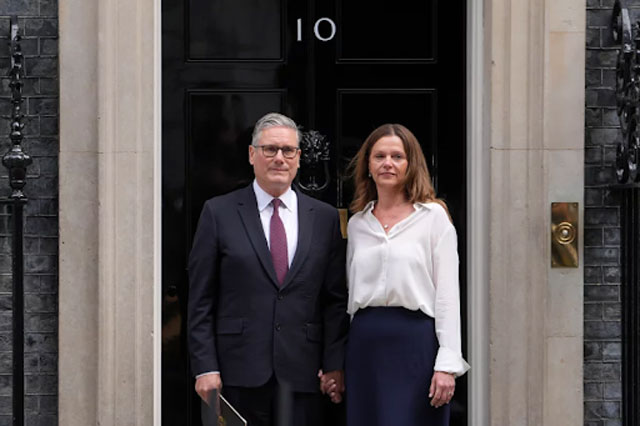
Standing outside 10 Downing Street before a packed crowd of journalists, the 63-year-old became visibly emotional as he confirmed his departure.
“Every decision I have taken has been about putting the country I love first. That is why I will resign as leader of the Labour Party,” Starmer said.
“The question my party is asking now is whether I am best placed to lead us into the next general election. I have heard the answer of my parliamentary party to that question, and I accept that answer with good grace.”
Starmer’s resignation comes less than two years after he swept to power in a landslide victory in July 2024, ending 14 years of Conservative rule. However, a succession of policy U-turns, political controversies and worsening public dissatisfaction steadily eroded both his personal standing and Labour’s electoral strength.
Discontent among Labour MPs has been growing for months as the government struggled to deliver promised economic growth, improve overstretched public services and ease cost-of-living pressures. Labour has also been losing support to both the Green Party and Reform UK, the anti-immigration party led by Nigel Farage, which has consistently topped national opinion polls.
The immediate catalyst for Starmer’s downfall was the political rise of Andy Burnham, the popular Mayor of Greater Manchester, who won the Makerfield parliamentary by-election last week and openly positioned himself as a challenger for the party leadership. Burnham, 56, is expected to be sworn in as a member of Parliament later on Monday and has emerged as the clear frontrunner to replace Starmer.
It remains uncertain whether Burnham will secure the leadership unopposed or face a contest. Wes Streeting, who resigned as health secretary last month in protest at Starmer’s leadership, has indicated he will run if a leadership election is held.
The resignation marks another extraordinary chapter in Britain’s recent political turbulence. Starmer becomes the sixth prime minister in a decade to stand outside Number 10 and announce an early departure. The announcement comes just one day before Britain marks the tenth anniversary of the referendum vote to leave the European Union, a decision that continues to shape the nation’s politics and economy.
Despite his domestic struggles, Starmer earned praise internationally for strengthening European support for Ukraine and helping manage diplomatic tensions surrounding the conflict in Iran.
European Commission president Ursula von der Leyen paid tribute to his leadership, writing on X: “It can take many leaders years to grow into the statesman you became in just two years. European and Ukrainian security is stronger because of you. Thank you, dear Keir.”
US President Donald Trump also weighed in before the announcement became official, posting: “Keir Starmer will resign as Prime Minister of The United Kingdom. He failed badly on two very important subjects – IMMIGRATION AND ENERGY (OPEN NORTH SEA OIL!). I wish him well!”
As Labour prepares for a potentially bruising leadership battle, Starmer’s abrupt exit leaves British politics once again entering a period of uncertainty, with Burnham now poised to become the dominant figure in the race for Number 10.