Daijiworld Media Network - Pune
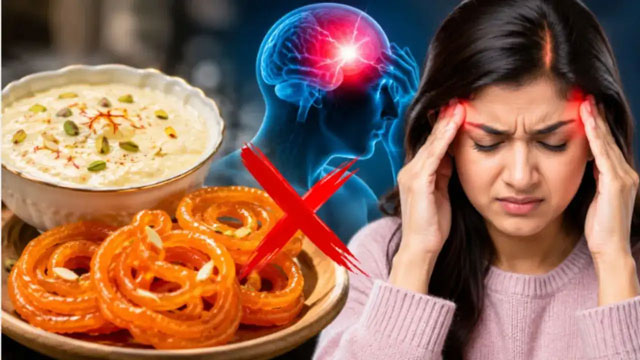
Pune, Jun 29: A viral social media claim suggesting that jalebi-rabdi can provide instant relief from migraines has caught widespread attention, but neurologists have clarified that there is no scientific evidence to support the claim.
Dr Aradhana Chauhan, Consultant Neurologist at Sahyadri Super Speciality Hospital, Pune, said migraines are a complex neurological condition influenced by factors such as genetics, hormones, environment and lifestyle.
She explained that no dessert, including jalebi-rabdi, can directly treat or cure a migraine attack. However, some people may feel relief after eating sweets because their headache could have been triggered by low blood sugar levels caused by fasting, skipping meals or inadequate calorie intake.
In such cases, consuming a carbohydrate-rich food may raise blood sugar levels and reduce symptoms, but it does not mean the sweet dish has treated the migraine itself.
Doctors also warned that consuming large amounts of sugar can have the opposite effect for some people. Sudden spikes and drops in blood glucose levels may trigger headaches in migraine-prone individuals.
Dr Chauhan said maintaining stable blood sugar through balanced meals may help reduce migraine triggers in some patients.
Dr Jayendra Yadav, Consultant Neurologist at Fortis Hiranandani Hospital, Vashi, Navi Mumbai, explained that migraines occur due to increased sensitivity of the brain, leading to symptoms such as severe pain, nausea and sensitivity to light and sound.
He said jalebi, which contains high amounts of refined sugar, may actually trigger migraines in some individuals instead of relieving them. He also advised caution with rabdi, as its high fat and dairy content may act as a trigger for some patients.
According to Dr Yadav, the reason many people believe jalebi-rabdi worked is because migraine attacks often improve naturally within a few hours. If a person eats the dessert during the recovery period, they may wrongly connect the relief with the food.
Doctors warned that relying on viral home remedies for recurring migraines could delay proper diagnosis and treatment.
They advised people suffering from migraines to identify personal triggers, stay hydrated, maintain regular sleep patterns, manage stress and follow balanced dietary habits.
Experts clarified that enjoying jalebi-rabdi occasionally is not harmful, but it should not be considered a medical treatment for migraines. Evidence-based treatment and lifestyle management remain the most effective ways to control the condition.