Nayana J C
Daijiworld Media Network – Mangaluru (NJC)
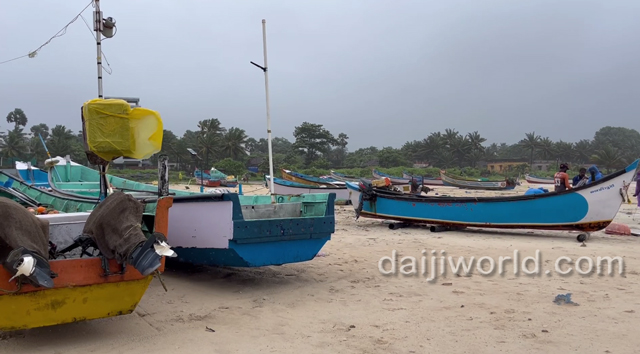
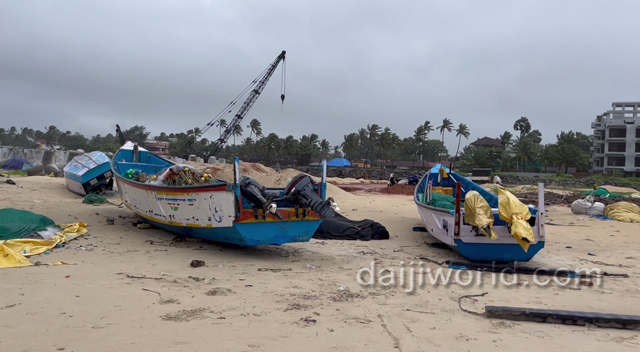
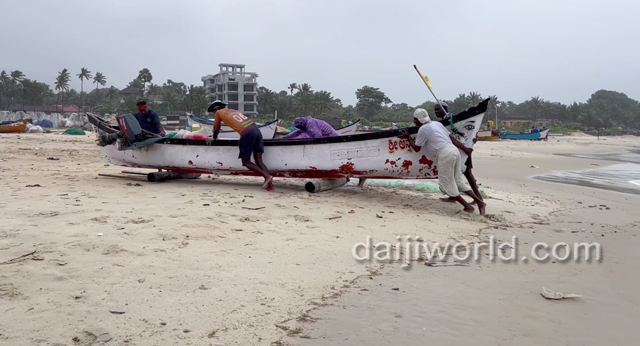
Mangaluru, Jul 2: The sea, which was expected to be bustling with fishing activity, presented a different scene as hundreds of traditional fishing boats remained anchored along the shore, with fishermen struggling to continue their livelihood amid rising fuel costs.
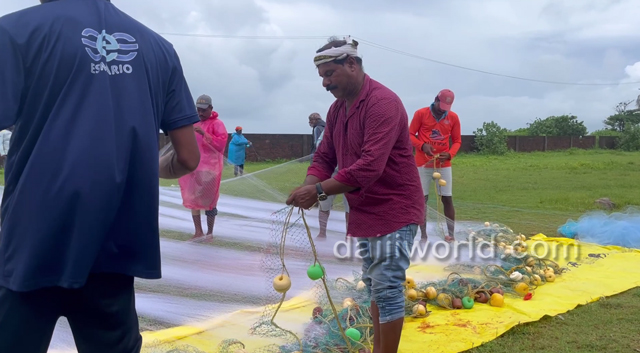
For generations, traditional fishermen have depended on the sea, risking their lives and working tirelessly to bring home their daily catch. However, a sharp increase in the price of kerosene has created uncertainty among fishing communities, leaving many worried about their future.


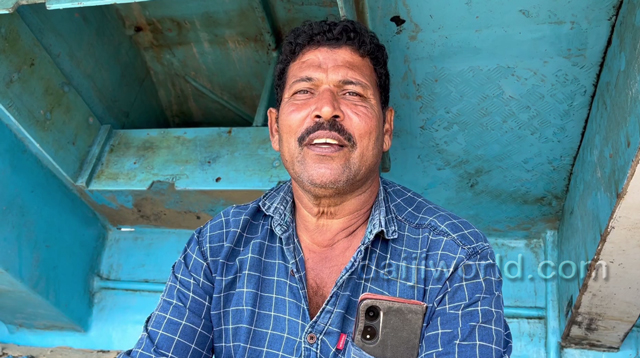
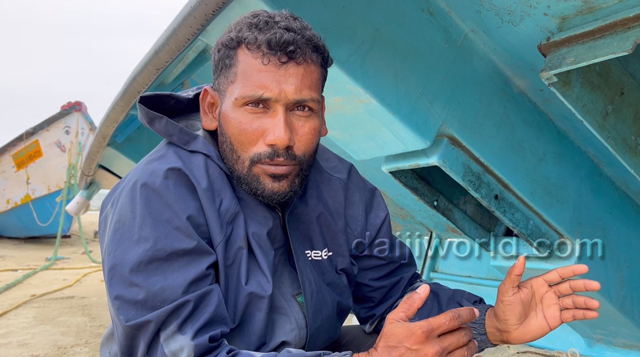
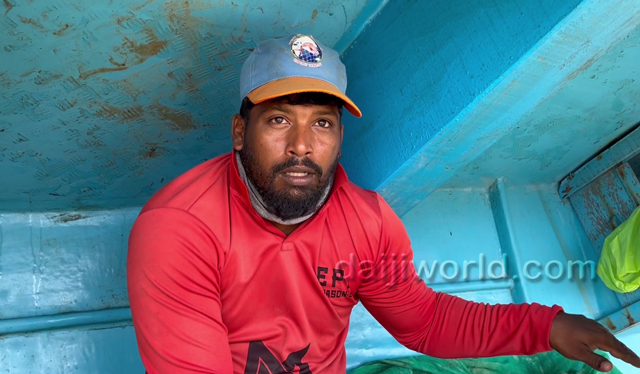
The price of kerosene, which was earlier around Rs 58 per litre, has reportedly increased to nearly Rs 118 per litre. A traditional fishing boat requires an average of 50 litres of kerosene per day, while paired boats need around 100 litres daily. This means fishermen are now forced to spend nearly Rs 11,800 on fuel every day, adding a huge burden to their already challenging profession.
With the high cost of venturing out to sea and no guarantee of a successful catch, many fishermen fear incurring heavy losses. As a result, several boats have remained on the shore instead of setting out to sea.
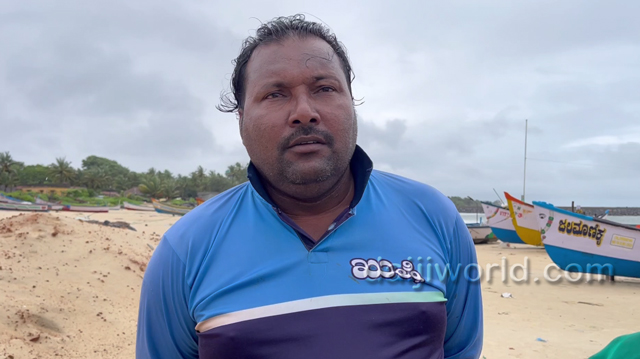
Fishermen have expressed strong disappointment over the lack of support and questioned why facilities available in neighbouring states are not extended to the coastal fishing community in Karnataka. They pointed out that in states such as Tamil Nadu and Kerala, kerosene is reportedly supplied to fishermen at much lower prices through government subsidies, while fishermen in Karnataka are forced to bear the increased fuel costs.
Members of the traditional fishing community said their struggle is not just about rising fuel prices but also about protecting a way of life that has existed for generations. They have urged the government and the concerned authorities to take immediate steps to support coastal fishermen and provide relief measures.
As the waves continue to lap the shore, the voices of the ‘children of the sea’ remain strong, hoping for a solution that will allow their boats to return to the waters and their livelihoods to move forward once again.