Daijiworld Media Network - Bengaluru
Bengaluru, Jul 2: In a first-of-its-kind initiative in the country, the Karnataka government is preparing to introduce an Aadhaar-like biometric identification system for livestock, aiming to bring a major digital transformation in the animal husbandry sector.
Under the proposed system, unique biometric identity records will be created for cattle and other livestock based on the distinctive patterns found on their muzzle (nose) area.
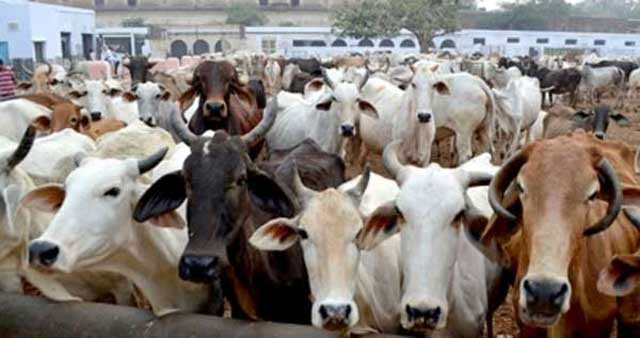
The project, being developed in collaboration with the state’s Centre for e-Governance (CeG) and the Artificial Intelligence division, is expected to replace the conventional ear-tagging method currently used for identifying animals.
Officials said the lines, folds and patterns on the muzzle of animals are unique, similar to human fingerprints, making them suitable for use as digital biometric identifiers.
The new digital system will help authorities track vaccination records, health status, insurance information and compensation claims in the event of animal deaths.
Speaking about the project, Pankaj Kumar Pandey, principal secretary of the Department of Personnel and Administrative Reforms (e-Governance), said the initiative would help ensure accurate identification of livestock and prevent fraud in animal husbandry schemes.
He noted that Karnataka currently has more than one crore livestock animals, with nearly 10 lac new additions every year, making an AI-based digital management system highly beneficial.
Shrivyas H M, project director of the Artificial Intelligence division under the Department of Personnel and Administrative Reforms, said ear-tagging is presently being used for animal identification, but the AI-based muzzle recognition system would make identification faster and easier.
Another key feature of the project is that farmers will receive SMS alerts regarding vaccination schedules. Digital records can also be created for newborn calves. In the future, officials said muzzle scans may even help assess the health condition of animals.
The AI-powered system is expected to strengthen digital governance in the animal husbandry department while improving transparency, efficiency and record management in livestock identification across the state.