Daijiworld Media Network – New Delhi
New Delhi, Jul 2: India needs to address undernutrition and the growing burden of non-communicable diseases (NCDs) simultaneously, rather than treating them as separate public health challenges, experts have said.
While the country has made significant progress in improving food security, they argue that nutrition policies must now focus on lifelong healthy eating habits, food literacy and dietary diversity to improve metabolic health and reduce the risk of chronic diseases.
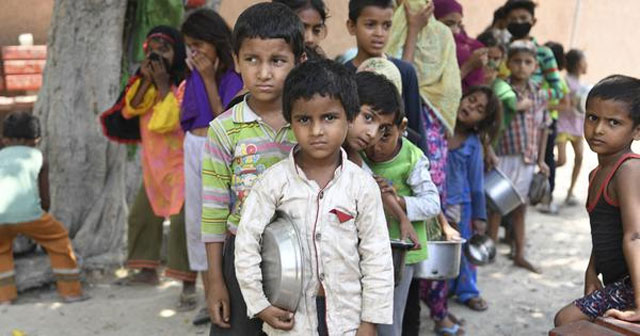
According to the National Family Health Survey (2023-24), only 15.3 per cent of children aged six to 23 months receive an adequate diet, while 29.3 per cent of children under five are stunted.
At the same time, non-communicable diseases such as diabetes, cardiovascular diseases and obesity account for around 60 per cent of all deaths in India, with an increasing number of children and adolescents also affected.
Experts say these figures highlight the need to view nutrition and metabolic health as interconnected issues, as dietary habits established during childhood can influence health outcomes throughout life.
India has implemented several nutrition programmes, including POSHAN Abhiyaan, the Integrated Child Development Services (ICDS), school meal schemes and Anaemia Mukt Bharat. Building on these initiatives, experts recommend greater emphasis on food literacy to help people make informed dietary choices across all stages of life.
Food literacy extends beyond understanding calories and nutrients. It includes awareness of balanced diets, dietary diversity, traditional foods, healthy eating practices, and the links between nutrition, immunity, energy and long-term health.
Institutions such as anganwadis, schools and community health centres can play an important role in educating children about healthy eating while continuing to provide nutritious meals.
Researchers also point to the growing importance of gut health, noting that dietary diversity supports a healthier gut microbiome, which is linked to improved nutrient absorption, immunity and metabolic health.
Millets have been highlighted as an example of a nutritious and climate-resilient food that can contribute to healthier diets. Rich in fibre, iron and essential micronutrients, millets may help improve dietary diversity while supporting digestive health and reducing the risk of metabolic disorders.
Recent initiatives, including Mission SEHAT, have also promoted biofortified crops as part of efforts to strengthen the links between agriculture, nutrition and public health.
Experts said wider adoption of nutrient-rich foods will require stronger agricultural value chains, better market access for farmers, increased affordability and sustained public awareness to encourage healthier food choices.
They emphasised that India's future nutrition strategy should integrate efforts to combat malnutrition, improve metabolic health and reduce the burden of lifestyle diseases, with food literacy serving as a key pillar of long-term public health.