Daijiworld Media Network – Tehran
Tehran, Aug 6: Iran on Wednesday said it had reached an agreement with Oman on a shipping route through the Strait of Hormuz, raising hopes of easing disruptions along one of the world's most critical energy corridors, though Tehran cautioned that security concerns remain unresolved.
Foreign Ministry spokesperson Esmaeil Baqaei said the agreement was in its final stages and that the "geographical coordinates of the route" had been finalised with Oman. However, he did not disclose further details of the proposed arrangement.
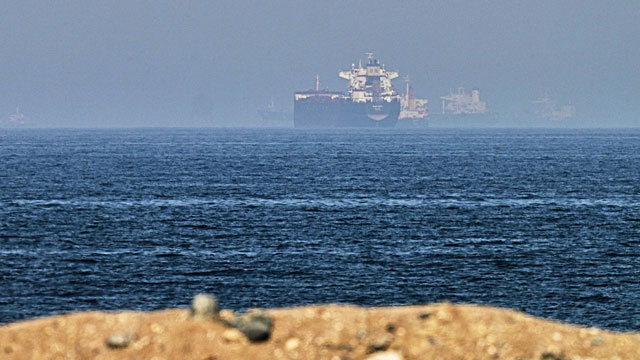
Baqaei maintained that the agreement would not automatically ensure safe navigation through the Strait of Hormuz, blaming continued insecurity on the US naval blockade of Iranian ports and what he described as aggressive actions against Iran. Neither the United States nor Oman has officially commented on the reported agreement.
Iran's Deputy Foreign Minister Kazem Gharibabadi later said the proposed route would betemporary and could remain operational for two to four months.
The Strait of Hormuz, through which around one-fifth of the world's oil and liquefied natural gas (LNG) supplies normally pass, has witnessed severe disruptions since the conflict involving Iran, the US and Israel escalated earlier this year. Shipping traffic has declined sharply after Iran imposed restrictions on vessels transiting the strategic waterway.
US President Donald Trump on Tuesday warned that Iran would face severe consequences if the strait was not reopened "very soon". His remarks followed reports that discussions had made progress towards restoring commercial shipping, although Tehran has maintained that it is not engaged in negotiations with Washington.
One of the key sticking points remains Iran's proposal to levy transit fees on ships passing through the Strait of Hormuz. Reports indicate Tehran is seeking charges linked to the value of cargoes, while Oman has reportedly proposed a lower fee structure and the US has opposed any such charges.
Global oil markets reacted cautiously to the latest developments, with Brent crude edging lower in Asian trading as investors monitored prospects for a partial resumption of shipping through the vital maritime route.
The Strait of Hormuz remains central to international energy trade, and any agreement to restore navigation is expected to have significant implications for global oil and LNG supplies.