Daijiworld Media Network - Jerusalem
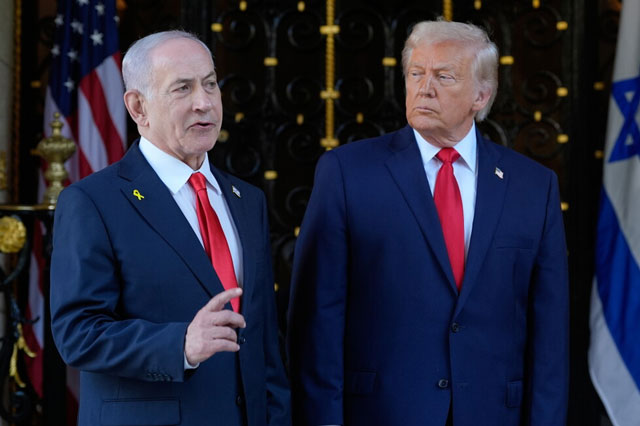
Jerusalem, Aug 10: Israel has rejected a Gaza deal announced by US President Donald Trump, deepening differences between Washington and Tel Aviv as tensions across the Middle East continue to rise.
Israeli Prime Minister Benjamin Netanyahu said Israel would not withdraw from Gaza until Hamas is fully disarmed, rejecting the key sequencing proposed in Trump's 15-point plan, which envisages Hamas disarmament alongside a phased Israeli military withdrawal.
The rejection represents a significant setback to the US-led effort to move the Gaza conflict towards a political settlement. Hamas has also opposed aspects of the proposal and called on mediators to press Israel to comply with the plan.
Meanwhile, developments around the strategically important Strait of Hormuz have added to regional uncertainty.
Iran said an agreement with Oman concerning new shipping lanes through the strait was in its "final stages". However, Tehran maintained that the waterway would not reopen unless the United States met additional conditions, including compensation for military attacks, lifting sanctions, ending threats and aggression, and unfreezing Iranian assets.
Iran has also indicated that vessels connected to countries it considers hostile could be barred under a potential arrangement for managing shipping through the waterway. The proposed agreement is aimed at creating a mechanism for commercial vessels to transit the strait while broader disputes between Iran and the US remain unresolved.
The Strait of Hormuz is a critical global energy corridor, and uncertainty over its reopening has already affected oil markets. Iran's Foreign Minister Abbas Araqchi said Tehran was not holding direct negotiations with Washington and that communication was taking place through intermediaries.
Iran has also reshuffled its senior national security leadership amid the continuing confrontation.
The regional situation was further complicated by developments in Yemen, where Iranian-backed Houthi rebels attacked the government-held port city of Mocha on the Red Sea coast. The strike reportedly caused deaths and injuries and raised fresh concerns over the security of commercial shipping routes.
The Houthis have also claimed attacks on Saudi infrastructure, including the Saudi Aramco refinery in Jazan. The attacks came as Saudi Arabia sought to strengthen its regional security arrangements, including through a defence pact with Turkey and Pakistan.
The latest attacks have heightened fears that Yemen's fragile conflict could once again escalate into a broader civil war while simultaneously threatening vital shipping routes in the Red Sea.
The developments in Gaza, the Strait of Hormuz and Yemen are unfolding against the backdrop of the wider US-Israel confrontation with Iran, creating renewed uncertainty over regional security, energy supplies and international shipping.