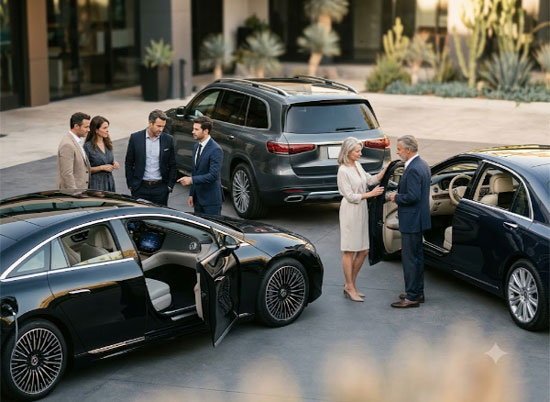
Something shifted in premium showrooms. Buyers who once opened with cylinder count and 0-to-100 timings now ask about kilowatt output, charging curves, and how the car behaves when traffic stops dead on the expressway.
The luxury segment in India has always been slow to move, but this movement is real, and it's being driven by ownership reality, not showroom romance.
The test drive has become a diagnostic session
Watch a serious luxury buyer today, and the test drive looks nothing like it did a decade ago. They idle the car in a parking bay. They time how long the engine stays off in a start-stop cycle. They pull the mode selector into Eco and note the throttle mapping difference with their own foot, not the brochure's description.
That same buyer spends the evening comparing the Audi Q5 price in India against mild hybrid and plug-in rivals, then works out what the on-road figure actually becomes once insurance, RTO, and the first three service cycles are added in. That final number decides the purchase. Not the ex-showroom sticker. Never the sticker.
Most people think mild hybrid systems are a meaningful step toward electrification. That's only half the story. A 48V belt-driven starter-generator doesn't drive the wheels independently - it smooths the restart, absorbs the electrical load, and recovers a little energy under braking.
What actually happens when a petrol owner switches
The transition from petrol to pure electric follows a predictable pattern. The friction points are rarely the ones buyers expect.
Week one is range anxiety, which turns out to be largely misplaced. Week two is home charging logistics, and that's where the real work begins. A standard 15A socket will trickle charge overnight, but it strains older building wiring and takes longer than most owners want.
Most end up installing a 7.4 kW AC wallbox, which means a dedicated MCB, and written permission from the housing society. That last part, getting the society on board, typically takes longer than the electrical work itself.
Week three is habit change. Regenerative braking retrains the right foot. Owners stop coasting to a stop with the brake pedal and start lifting early to feed energy back into the pack. Brake pad life stretches noticeably, one of those quieter cost advantages that never appears on a spec sheet.
Battery packs on DC fast chargers taper hard once state of charge crosses roughly eighty per cent. In peak summer, that taper starts earlier than the graph suggests, sometimes well before the eighty per cent mark. Planning a long drive around a full charge is a beginner mistake. Two shorter top-ups is how experienced owners handle it, because they've already been caught out doing it the other way.
The paperwork trail runs differently
That changes how the entire ownership file looks. Electric and hybrid registrations carry different fee structures, and in several states, road tax concessions must be claimed at the time of registration, not retrospectively.
Insurance is the other adjustment worth planning for early. Premiums on electric cars are calculated on a battery-inclusive insured declared value, which is why any buyer checking the MG Cyberster price in India should request an indicative comprehensive quote before signing anything.
On performance-oriented electrics, the premium gap against an equivalent petrol car can be significant. Sometimes enough to shift the running cost comparison entirely.
How to judge a powertrain before signing
- The trick is separating the marketing label from the mechanical reality. Mild hybrid: assists but never drives alone. Most useful for buyers with heavy city exposure; the fuel savings are real but modest.
- Strong hybrid: can move the car on electric power at genuinely low speeds. Real fuel savings in traffic, not theoretical ones.
- Plug-in hybrid: only works as advertised if the owner charges it every single day. Skip that habit, and you're driving an overweight petrol car paying an electrification premium.
- Full electric: lowest running cost per kilometre, highest dependence on charging access. The economics only work if the infrastructure around your actual life supports it.
Long highway users still make a strong case for a well-sorted diesel or turbo petrol. Resale values on newer electric platforms are still finding their level, and replacement part pricing on low-volume models has surprised more than a few owners who didn't ask the question before signing.