Daijiworld Media Network - New Delhi
New Delhi, Dec 22: Indian intelligence agencies have raised a high-level alert along the eastern border following growing instability in Bangladesh, amid concerns over a possible surge in illegal cross-border movement and heightened security threats. Officials believe that the current unrest has created an opportunity for hostile elements to exploit gaps in border management while Bangladeshi authorities remain preoccupied with internal challenges.
According to intelligence inputs, Pakistan’s intelligence agency ISI, working through allied groups in Bangladesh, is allegedly planning a large-scale infiltration attempt aimed at overwhelming India’s border control mechanisms. Officials warn that the strategy may involve pushing massive numbers of people toward Indian territory, particularly in the run-up to the West Bengal assembly elections, a period considered politically sensitive and vulnerable to unrest.
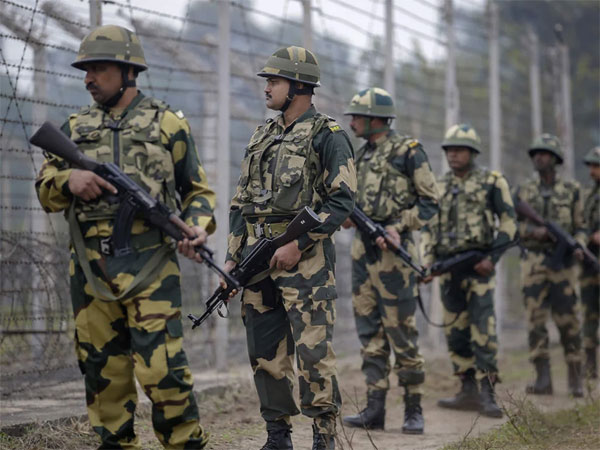
Security agencies anticipate a tightly contested election season in West Bengal, with the potential for localized violence. Intelligence assessments suggest that such conditions could be exploited to facilitate illegal entry, using crowds as cover to move both undocumented migrants and trained operatives across the border.
Officials describe the plot as multi-layered. Alongside attempts to alter demographic patterns in border states such as West Bengal and parts of the Northeast, there are concerns about terrorists being embedded within infiltration groups. Intelligence sources claim that both Bangladeshi nationals and Rohingya refugees are being targeted for this operation.
Since the political transition in Bangladesh following the ouster of Sheikh Hasina, Indian agencies believe that ISI influence has expanded, with reports indicating that several terror operatives have been trained specifically for infiltration into India. Vulnerable border stretches—particularly riverine routes, forested areas, and low-visibility gaps in Assam, Tripura, and West Bengal—are seen as key risk zones.
Officials also allege the existence of organized camps across the border, where economically distressed individuals are allegedly lured with financial incentives. These camps are reportedly divided into groups—one focused on mass infiltration to drive demographic change, and another dedicated to training operatives for violent activities.
Intelligence assessments further suggest that the threat may not be limited to eastern India. Over time, infiltrators could be redirected to other regions, including Jammu and Kashmir, southern states, and Maharashtra, expanding the security challenge nationwide.
Indian agencies view these developments as part of a long-term strategy dating back decades, aimed at destabilising the country through indirect means rather than conventional conflict. With the current political climate in Bangladesh perceived as favourable to anti-India forces, officials believe vigilance and coordinated border management will be critical in the months ahead.