Daijiworld Media Network – New Delhi
New Delhi, Jan 13: Fifteen years after reporting its last case of wild poliovirus, the WHO South-East Asia Region has successfully sustained its polio-free status, showcasing one of the world’s most significant public health achievements. The region, home to nearly a quarter of the global population, continues to remain vigilant while leveraging lessons from the polio eradication programme to strengthen broader public health systems.
Describing the milestone as extraordinary, Dr Catharina Boehme, Officer-in-Charge of the WHO South-East Asia Region, said the achievement was made possible through unwavering government leadership, a committed health workforce and strong partnerships, including active community participation.
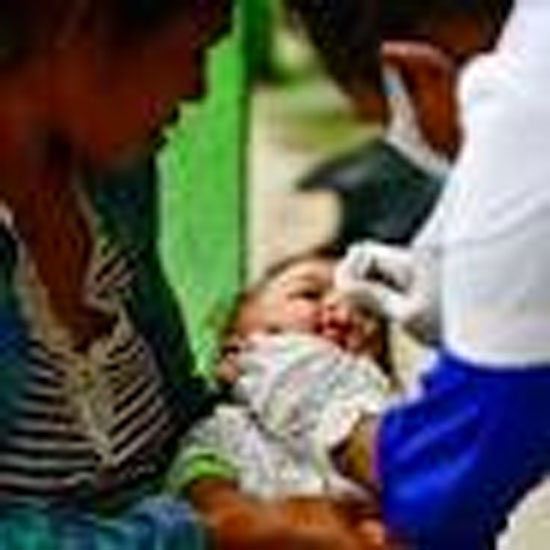
On this day in 2011, an 18-month-old girl in Howrah, West Bengal, was paralysed by wild poliovirus — the last such case recorded in the region. A massive and coordinated response ensured that the virus was stopped in its tracks. Subsequently, on March 27, 2014, the WHO officially certified the South-East Asia Region as polio free.
Despite this success, countries across the region continue to maintain strict surveillance to prevent any importation of the virus. In 2025 alone, over 50,000 stool samples were collected and tested through a network of 13 WHO-accredited polio laboratories. Surveillance indicators across the region continue to exceed the standards required to retain polio-free certification.
To further strengthen detection, environmental surveillance is being conducted at 93 high-risk sites across five countries. According to WHO and UNICEF immunisation estimates, the region has consistently maintained over 90 per cent coverage with oral polio vaccine and at least one dose of inactivated polio vaccine for several years.
Even during challenges such as humanitarian crises, natural disasters and the COVID-19 pandemic, countries ensured uninterrupted surveillance and immunisation services, safeguarding decades of progress.
The South-East Asia Regional Certification Commission for Poliomyelitis Eradication meets annually to independently assess risks and confirm the region’s continued polio-free status.
Beyond polio, the programme has contributed significantly to strengthening routine immunisation, improving laboratory capacities and enhancing emergency preparedness. Countries have also recorded major gains against other vaccine-preventable diseases, sustaining elimination of maternal and neonatal tetanus and expanding coverage of vaccines for pneumococcal disease, rotavirus, hepatitis B, Japanese encephalitis, typhoid and human papillomavirus.
Warning that the threat of polio persists as long as the virus exists anywhere in the world, Dr Boehme stressed the need for sustained immunisation, sensitive surveillance and rapid response systems.
“The journey from polio endemicity to sustained polio-free status shows that ambitious public health goals are achievable,” she said, reaffirming WHO’s commitment to supporting countries in protecting every child and advancing disease elimination across the region.