Daijiworld Media Network – Mangaluru
Mangaluru, Feb 15: Back pain has emerged as a significant health concern among young people worldwide, including in India. Defined as discomfort experienced anywhere along the spine — from the base of the neck to the top of the buttocks — it can result from muscle strain, ligament sprain, spinal disorders or even conditions affecting internal organs.
Recent reports indicate that nearly 15 per cent of people suffering from back pain are in India, with a large proportion in the 18 to 38 age group. The number of young adults reporting back pain has risen considerably between 2020 and 2024, largely attributed to lifestyle changes during and after the COVID-19 pandemic. Among musculoskeletal problems in young adults, back pain accounts for nearly 76 per cent. Globally, spinal disorders rank among the top 10 causes of disability and premature death.
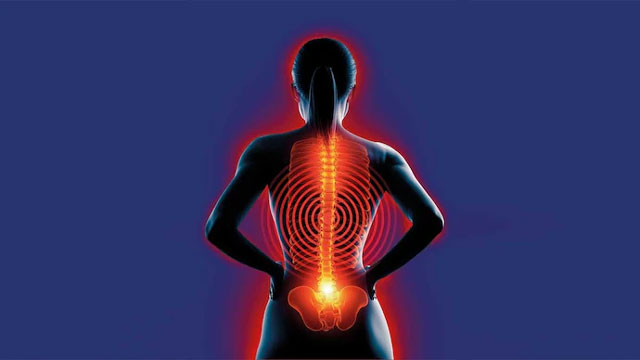
Medical experts emphasise the importance of separating myths from facts and adopting practical measures to prevent long-term complications.
One common misconception is that bed rest is the best cure for back pain. Doctors say prolonged rest can actually weaken muscles and stiffen joints, delaying recovery. Gentle movement and gradual return to activity aid healing.
Another myth is that back pain affects only older adults. In reality, poor posture, sedentary lifestyles, prolonged sitting and lack of physical activity are major contributors among the youth. Similarly, heavy lifting does not always cause back pain — improper technique and lack of core engagement are often responsible. Exercise, when tailored appropriately, helps strengthen core and back muscles and plays a key role in both prevention and recovery.
Experts advise young adults to remain active and avoid sitting for long hours. Standing up every 45 minutes and stretching every two hours can help reduce spinal strain. Maintaining a balanced diet and adequate hydration is equally important. Around 1.5 grams of protein per kilogram of body weight daily supports muscle health, while consuming 2.5 to 3 litres of water helps maintain spinal disc integrity.
Optimising workspace ergonomics is crucial, particularly for those working on computers. Screens should be kept at eye level, and individuals should avoid prolonged forward bending of the neck. Sitting with a neutral spine and using supportive chairs can significantly reduce strain.
Quality sleep on a supportive mattress also plays a vital role. Overly soft or extremely firm mattresses may affect spinal alignment. Pillows should support the natural curve of the neck without elevating it excessively.
Stress management and low-impact exercises such as walking, cycling, swimming and yoga further help in preventing back pain by improving flexibility and reducing muscle tension.
Dr M D S Sasidharan advises that while most back pain improves with conservative care, medical attention is necessary if pain persists beyond four weeks, radiates with numbness or weakness, affects walking or standing, or is accompanied by bowel or bladder disturbances. Very young children and older adults experiencing new or severe symptoms should also seek evaluation.
Health experts reiterate that back pain in young adults is largely preventable through awareness, good posture, regular exercise and timely intervention.