Daijiworld Media Network - New Delhi
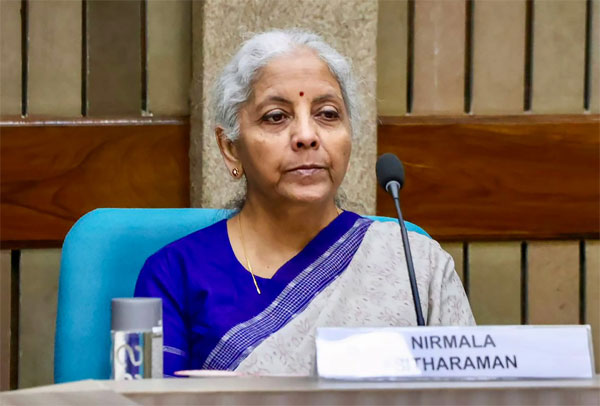
New Delhi, Apr 6: Finance minister Nirmala Sitharaman on Monday said India’s strong fiscal position and robust foreign exchange reserves have given both the government and the Reserve Bank of India (RBI) greater flexibility in managing the economy.
Speaking at the golden jubilee celebrations of the National Institute of Public Finance and Policy, Sitharaman noted that the country now has enough fiscal space to sustain capital expenditure, support economic growth, and allow the RBI room to adjust interest rates if needed. She described this as the outcome of sustained fiscal discipline over the past decade.
Her remarks come just ahead of the RBI’s upcoming monetary policy announcement, as the central bank’s Monetary Policy Committee began its review meeting on Monday.
The Finance Minister highlighted that India’s debt-to-GDP ratio remains relatively low, with projections from the International Monetary Fund indicating a further decline by 2030. She also pointed out that India’s foreign exchange reserves are sufficient to cover around 11 months of imports, providing a strong buffer against global uncertainties.
Sitharaman said prudent fiscal management has enabled the government to implement measures such as excise duty cuts on petrol and diesel, along with targeted exemptions for key petrochemical sectors and special economic zone operations to safeguard jobs amid global volatility.
Referring to the ongoing tensions involving Iran, she described the situation as a “systemic tremor” impacting global markets. Rising crude oil prices and currency pressures, she warned, could complicate inflation management and require careful policy calibration.
Meanwhile, economists expect the RBI to maintain a cautious stance on interest rates, given the inflationary risks driven by higher global prices of petroleum products, fertilisers, and petrochemicals.
The government has also outlined its borrowing strategy for the upcoming financial year, planning to raise Rs 8.2 lakh crore in the first half—about 51 percent of the annual target. The total borrowing estimate has been reduced to Rs 16.09 lakh crore from Rs 17.2 lakh crore, a move expected to support liquidity in the banking system and encourage investment and job creation.