Daijiworld Media Network - Florida
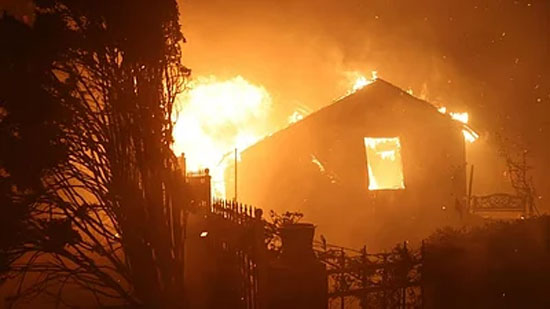
Florida, Apr 23: Fast-moving wildfires are sweeping through parts of the southeastern United States, triggering mass evacuations and destroying homes, with Georgia and Florida among the hardest-hit states.
Officials say a combination of dry weather, strong winds, and dense vegetation has allowed the fires to spread rapidly, leaving some communities with little time to react. In several areas, residents were forced to evacuate as flames approached residential zones.
In Georgia, coastal counties have reported severe damage, with nearly 50 homes already destroyed and around 1,000 more at risk. Authorities said two major fire outbreaks have burned through more than 30 square miles (about 80 square kilometres), while smaller fires continue to emerge across the region.
The crisis has been intensified by prolonged drought conditions, with rainfall significantly below seasonal averages. The situation has led to an unprecedented burn ban in affected areas as officials attempt to limit further ignition risks.
Firefighters are attempting to contain the spread by constructing firebreaks, but shifting wind patterns are complicating control efforts. Emergency management agencies have ordered large-scale evacuations, with warnings that additional communities may need to leave if conditions worsen.
In Florida, officials report one of the most severe wildfire periods in decades, with more than 100 active fires burning across the state. Smoke from these fires has spread into major urban areas, reducing visibility and raising concerns over air quality and public health.
According to fire monitoring updates released earlier, wildfire activity across the United States remains significant, with multiple large incidents still uncontained and thousands of personnel deployed for suppression efforts. Most of the activity is concentrated in the southern region, where persistent dry conditions continue to elevate fire risk.
Authorities have also issued a new advisory warning that extremely dry vegetation and ongoing drought across the southeastern region are creating conditions that could fuel further rapid fire growth, particularly in forested and coastal areas.
Officials continue to monitor the situation closely as firefighting operations expand across affected states.