Daijiworld Media Network - New York
New York, Apr 24: Breastfeeding for at least four months has been linked to a reduced risk of asthma and lower Immunoglobulin E sensitization into young adulthood, according to findings from a long-term study.
The research, based on a Swedish birth cohort of 3,919 participants, found that exclusive breastfeeding for a minimum of four months was associated with a 25 per cent reduction in the overall likelihood of asthma up to the age of 24. Breastfeeding data were collected at one year, while asthma outcomes were tracked through questionnaires over time, and IgE levels were measured at ages 4, 8, 16 and 24.
The association between breastfeeding and reduced asthma risk was strongest during early life. Age-specific analysis showed a significant reduction in asthma risk up to 12 years, though the link was not observed beyond that age. Further analysis revealed that exclusive breastfeeding was particularly associated with lower odds of persistent asthma and showed a marginal link with reduced early transient asthma, while no significant association was found with late-onset asthma.
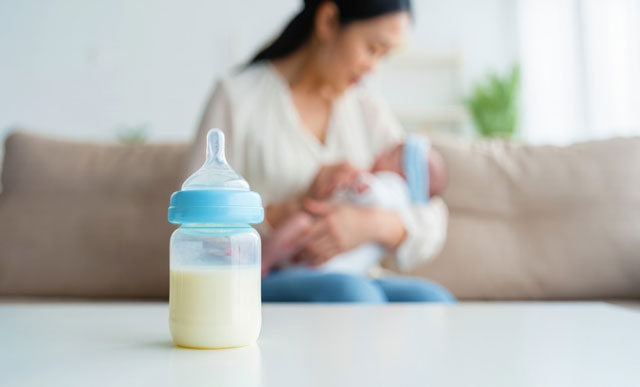
The study also found that exclusive breastfeeding for at least four months was linked to lower rates of IgE sensitization, indicating a broader protective effect against allergic conditions.
Notably, the findings were stronger after excluding children who experienced early wheezing or eczema during the breastfeeding period. This helped rule out the possibility that early symptoms influenced feeding patterns, thereby reinforcing the association between longer exclusive breastfeeding and reduced risk of asthma and allergic sensitization.
Researchers noted that few studies have tracked asthma and allergy-related outcomes from infancy into adulthood with repeated immune assessments. The findings suggest that the benefits of breastfeeding may be most relevant in preventing early and persistent forms of asthma rather than conditions that develop later in life.
The study highlights the importance of early infant feeding practices in shaping long-term respiratory and allergic health, offering valuable insights for clinicians and parents alike.