Daijiworld Media Network - New Delhi
New Delhi, Apr 27: Stroke is fast emerging as a major global health emergency, demanding immediate and coordinated action to save lives and safeguard communities.
The global health landscape is under increasing strain from noncommunicable diseases (NCDs), which account for an estimated 43.8 million deaths annually. Of these, stroke alone contributes nearly 17 per cent, underlining its growing impact worldwide.
According to the Stroke Action Now report released by the Global Stroke Action Coalition, with the World Stroke Organization as convener, the number of people affected by stroke has nearly doubled over the past three decades. Each year, around 12 million new stroke cases are reported globally, while approximately 94 million people are living with its long-term effects.
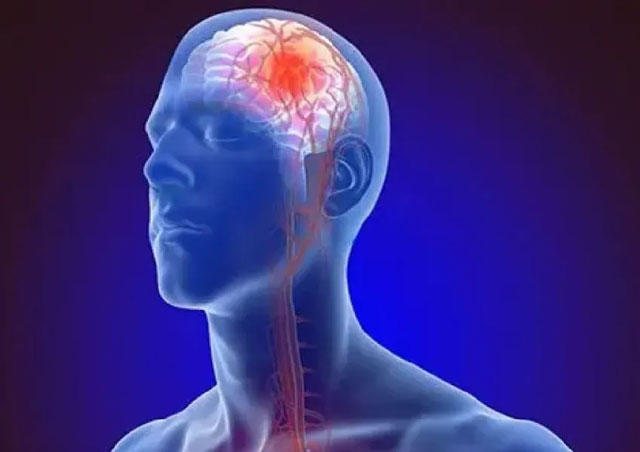
Significantly, stroke is no longer confined to the elderly. The report highlights that nearly 1.8 million individuals are expected to suffer a stroke before the age of 50, reflecting a worrying shift in disease patterns.
Despite the scale of the crisis, major gaps persist in healthcare preparedness. Globally, fewer than 3 per cent of patients have access to advanced treatments such as mechanical thrombectomy, and between 20 and 40 per cent of healthcare facilities lack basic rehabilitation services. The situation in India remains similarly concerning.
Recognising the urgency, a key development occurred on February 3, 2026, when the World Health Organization Executive Board advanced a landmark draft resolution aimed at reducing the global burden of stroke. The resolution focuses on strengthening prevention, acute care, rehabilitation, and overall health system readiness.
The WHO has warned that without coordinated global efforts, achieving Sustainable Development Goal (SDG) 3.4 — reducing premature mortality from NCDs by one-third by 2030 — will remain out of reach. It has urged member nations to integrate comprehensive stroke care into universal health coverage frameworks.
However, experts stress that stroke is largely preventable and treatable. Around 80 per cent of cases are linked to modifiable risk factors such as high blood pressure, air pollution, and smoking. Addressing these risks remains the most effective and cost-efficient strategy, with every rupee invested in prevention yielding a tenfold return.
To tackle the growing crisis, the Global Stroke Action Coalition has outlined key measures, including prioritising stroke in national health strategies, developing comprehensive action plans, ensuring adequate funding, strengthening monitoring systems, and involving stroke survivors and caregivers in policymaking.
Health experts emphasise that the current moment presents a crucial opportunity. By focusing on prevention, aligning with global frameworks, and strengthening healthcare systems, countries can significantly reduce the burden of stroke and improve outcomes worldwide.