Daijiworld Media Network - Washington
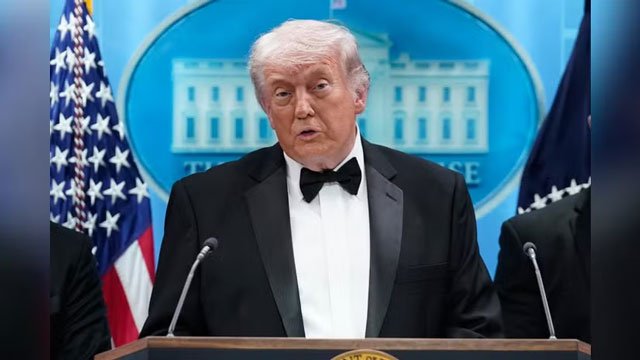
Washington, Apr 28: US President Donald Trump has expressed dissatisfaction with Iran’s latest proposal to resolve the ongoing two-month conflict, dimming hopes of a breakthrough in a war that has disrupted global energy supplies, fuelled inflation, and claimed thousands of lives.
According to a US official, Iran’s proposal seeks to defer discussions on its nuclear programme until after a ceasefire is achieved and disputes over Gulf shipping routes are resolved. However, US authorities have maintained that nuclear issues must be addressed at the outset, making the proposal unacceptable to Washington.
A White House official, speaking on condition of anonymity, said Trump opposed the plan primarily due to its sequencing of negotiations. White House spokeswoman Olivia Wales reiterated that the US would not negotiate through the media and that its core conditions remain unchanged as it works to end the conflict, which began alongside Israel in February.
The earlier 2015 nuclear agreement between Iran and world powers, including the US, had significantly limited Tehran’s nuclear activities. However, the deal collapsed after Trump withdrew from it during his previous term in office.
Efforts to revive peace talks have stalled further after the cancellation of a planned visit to Islamabad by US envoy Steve Witkoff and adviser Jared Kushner. Meanwhile, Iranian Foreign Minister Abbas Araqchi has been actively engaged in diplomatic outreach, travelling between Islamabad, Oman, and Russia. During his visit to Moscow, he met President Vladimir Putin and secured backing from a key ally.
Araqchi stated that Washington’s push for negotiations reflects its inability to achieve key objectives in the conflict. Iranian officials indicated that their proposal outlines phased talks beginning with a ceasefire and guarantees against renewed hostilities, followed by resolving maritime disputes and reopening the Strait of Hormuz under Iranian oversight. Only after these steps would discussions move to nuclear issues, including Iran’s demand for recognition of its right to enrich uranium.
Amid the ongoing tensions, global oil prices have risen due to tightening supply concerns. Analysts noted that disruptions in crude flow through the Strait of Hormuz are significantly impacting markets.
Recent shipping data suggests that at least six tankers carrying Iranian oil were forced to turn back due to a US naval blockade. Before the conflict, around 125 to 140 vessels transited the strait daily, but the number has dropped sharply, with only a handful of ships passing through recently and none carrying oil for global markets.
Iran has condemned US actions against its tankers as “legalised piracy”.
Meanwhile, Trump is facing mounting domestic pressure to bring the conflict to an end, with declining approval ratings and criticism over shifting justifications for the war. Despite ongoing diplomatic efforts, significant differences remain between the two sides, particularly over whether to prioritise a ceasefire or address Iran’s nuclear programme first.