Daijiworld Media Network – New Delhi
New Delhi, May 1: In a major development amid global fuel market volatility triggered by the ongoing Iran conflict, the central government has kept domestic LPG cylinder prices unchanged, offering partial relief to households. However, commercial LPG cylinders have witnessed a steep hike, putting pressure on businesses.
The price of a 19-kg commercial LPG cylinder has been increased by an average of Rs 993. In Delhi, the revised rate now stands at Rs 3,071.50, up from Rs 2,078.50. Similarly, in Mumbai, prices have surged from Rs 2,031 to Rs 3,024.
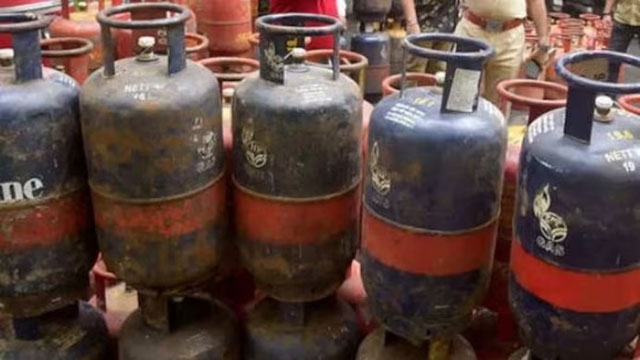
This marks the third hike since February 28, when tensions in the Middle East escalated. The first increase of Rs 144 was implemented in March, followed by another hike of nearly Rs 200 on April 1.
The sharp rise is expected to impact restaurants, hotels, and small eateries, which heavily depend on commercial LPG for daily operations. Industry insiders indicate that the increased cost burden may be passed on to consumers, making dining out and food delivery services more expensive in the coming days.
Meanwhile, petrol and diesel prices have been kept unchanged, along with aviation turbine fuel (ATF) rates for domestic airlines, providing some relief to consumers and the aviation sector.
Despite this, oil marketing companies (OMCs) continue to face financial strain. Reports suggest that OMCs are incurring daily losses of around Rs 16,000 crore due to elevated crude oil prices, which remain above $120 per barrel, while retail fuel prices have not been revised accordingly.
The government faces a delicate balancing act — increasing fuel prices could ease pressure on OMCs but may fuel inflation and slow economic growth. At the same time, it is already bearing the burden of higher LPG and fertiliser subsidies. Sources indicate that OMCs may seek compensation from the Centre to offset under-recoveries.
So far, OMCs have selectively adjusted prices, raising rates for premium petrol, bulk diesel, and ATF for international flights in line with global trends, while keeping regular retail fuel prices steady.
In a parallel move, new LPG booking norms have come into force from May 1. The interval between bookings has been extended from 21 to 25 days in urban areas and up to 45 days in rural regions. Any attempt to book before the stipulated period will be automatically blocked by the system.
Additionally, the Delivery Authentication Code (DAC) has been made mandatory. Consumers will now receive an OTP on their registered mobile number upon booking, which must be provided at the time of cylinder delivery, replacing the earlier system of physical verification through documents.