Daijiworld Media Network – Mumbai
Mumbai, May 14: Holding urine for extended periods due to busy schedules, travel, or lack of access to toilets can have harmful effects on bladder and kidney health, according to medical experts.
Urologists caution that although it may seem harmless in the short term, regularly delaying urination can lead to both immediate discomfort and long-term urinary complications.
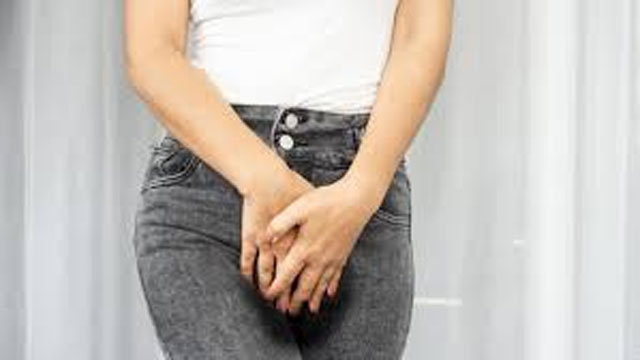
Speaking on the issue, Dr Mangesh Patil, Urologist at Saifee Hospital, Mumbai, explained that the bladder is designed to store urine only up to a limit, and prolonged retention increases pressure within the urinary system.
He noted that in the short term, holding urine for too long may cause lower abdominal pain, burning sensation during urination, urinary retention and increased risk of urinary tract infections (UTIs).
Women are considered more vulnerable to such infections, as delayed urination allows bacteria to remain in the urinary tract for longer periods.
Medical experts also point out that many individuals deliberately avoid using public restrooms during travel, which can worsen the problem. This behaviour may lead to dehydration, irritation of the bladder lining, and formation of uric acid crystals in urine.
Some individuals may also experience urgency, leakage of urine, or bladder spasms due to prolonged holding habits.
Long-term consequences can be more serious, including weakening of bladder muscles and impaired bladder function. Over time, the bladder may fail to empty completely, leading to residual urine buildup, recurrent infections and even bladder stones.
In severe cases, persistently high bladder pressure may also affect kidney function.
Doctors further warn that certain groups, including patients with enlarged prostate, diabetics, pregnant women, children, elderly individuals and those with neurological conditions, are at higher risk of complications.
Experts recommend that individuals should not hold urine for prolonged periods and should maintain a habit of urinating every 3–4 hours.
They also advise adequate fluid intake and planning bathroom breaks during travel to ensure proper bladder health and prevent long-term urinary problems.