Daijiworld Media Network - Tehran
Tehran, May 21: Iran has confirmed that indirect communication with the United States is ongoing through Pakistani mediation, with Tehran currently reviewing Washington’s latest proposals amid efforts to ease regional tensions.
Iranian Foreign Ministry spokesman Esmaeil Baghaei, speaking to state-run IRIB TV, said messages between the two countries have been exchanged multiple times in recent weeks as diplomatic contacts continue behind the scenes.
Baghaei stated that Iran remains focused on ending hostilities across the region, including in Lebanon, and has placed several demands on the table. These include the release of frozen Iranian assets, an end to what Tehran describes as US “maritime piracy,” and the lifting of actions targeting Iranian shipping activities.
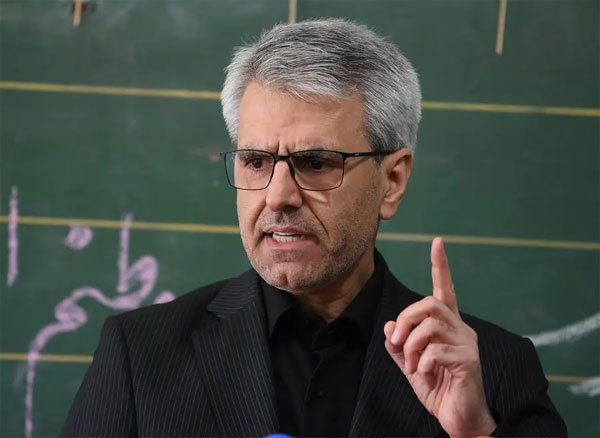
He said Iran entered the diplomatic process with “seriousness and goodwill” but continues to view the United States with deep suspicion because of what he called Washington’s “very poor record” over the past 18 months.
The spokesman also revealed that Iran, in coordination with Oman, is working on a framework aimed at ensuring long-term security in the Strait of Hormuz. According to him, Tehran is prepared to establish protocols for secure maritime navigation in cooperation with other countries bordering the strategic waterway.
Meanwhile, the semi-official Tasnim news agency, citing a source close to the Iranian negotiating team, reported that the United States recently submitted a revised proposal after Iran presented its own 14-point draft plan earlier this week.
The Pakistani mediator is currently in Tehran attempting to narrow the differences between the two sides, although no final agreement has yet been reached, the report said.
Iranian President Masoud Pezeshkian also reiterated Tehran’s stance on Wednesday through a post on social media platform X, stating that Iran has consistently honoured its commitments and sought to prevent further conflict.
“All paths remain open from our side. Forcing Iran to surrender through coercion is nothing but an illusion,” Pezeshkian wrote.
Iran, the United States and Israel agreed to a ceasefire on April 8 following 40 days of conflict that began after joint US-Israeli strikes targeted Tehran and several other Iranian cities on February 28.
After the truce, Iranian and American delegations held negotiations in Islamabad on April 11 and 12, but the talks ended without a breakthrough.
Tensions in the Strait of Hormuz have remained high since the conflict erupted. Iran had earlier restricted the movement of vessels linked to the United States and Israel through the crucial shipping route. Following the collapse of the Islamabad talks, the US reportedly imposed a naval blockade in the region, limiting access for ships travelling to and from Iranian ports.