Daijiworld Media Network - Geneva
Geneva, Dec 6: After years of significant progress, malaria is once again on the rise, fuelled by fast-spreading drug resistance and strained health systems, according to the latest World Malaria Report 2025 released by the World Health Organization (WHO). The report reveals that in 2024, an estimated 282 million people contracted malaria worldwide, up by around 9 million from the previous year, and approximately 610,000 lives were lost to the disease.
The report highlights that unless countries act urgently and collectively, global efforts against one of humanity’s oldest and deadliest parasites could suffer serious setbacks. The African region bore the brunt of the outbreak, accounting for 94 percent of cases and 95 percent of deaths, with the majority of fatalities occurring among children under five. In the WHO South-East Asia Region, India accounted for 73.3 percent of cases and 88.7 percent of deaths.
While new tools such as malaria vaccines, dual-ingredient bed nets, and preventive treatments helped avert an estimated 170 million cases and one million deaths in 2024, the report warns that progress has largely stalled since 2015, putting the 2030 malaria reduction targets at serious risk.
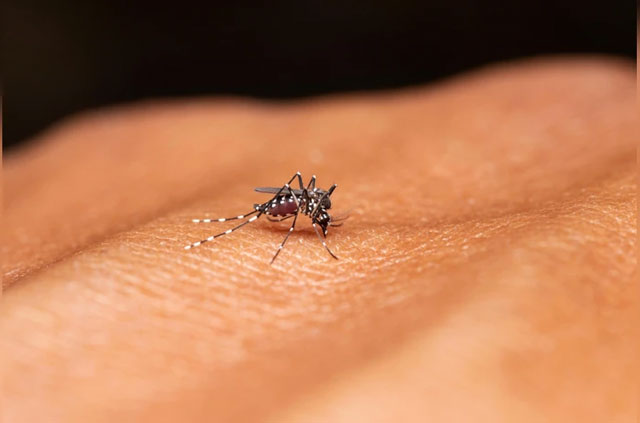
The WHO identifies several key drivers behind the surge. Rising drug resistance has rendered the malaria parasite less responsive to artemisinin-based treatments, with eight countries reporting confirmed or suspected resistance. Mosquitoes are also increasingly resistant to the chemicals used in bed nets and sprays, undermining critical vector-control measures. Funding shortfalls remain a concern, with global malaria funding in 2024 reaching only $3.9 billion, just 42 percent of the $9.3 billion target for 2025, compounded by a 21 percent decline in Overseas Development Aid from wealthy nations. Broader systemic and environmental pressures, including population growth, climate change, and humanitarian crises, further exacerbate the burden. The urban malaria risk is rising as the mosquito species Anopheles stephensi, originally native to parts of southern Asia and the Arabian Peninsula, expands into nine African countries.
WHO Director-General Dr. Tedros Adhanom Ghebreyesus said, “Increasing numbers of cases and deaths, the growing threat of drug resistance, and the impact of funding cuts all threaten to roll back the progress we have made over the past two decades. However, none of these challenges is insurmountable. With the leadership of the most-affected countries and targeted investment, the vision of a malaria-free world remains achievable.”
The WHO report underscores the urgent need for greater investment in next-generation vaccines, improved diagnostics, and upgraded vector-control solutions. Robust surveillance systems are crucial to detect and respond to drug-resistant strains swiftly, and sustained funding from governments and global donors is essential to ensure access to prevention and treatment. Dr. Martin Fitchet, CEO of Medicines for Malaria Venture, emphasised, “We have to act now to increase the scope and coordination of surveillance, so we're not flying blind, and boldly invest in the innovation of the next generation of medicines, so the parasite doesn't get ahead of us.”
Experts also call for strong partnerships across the entire health ecosystem, bringing together industry, global health agencies, academia, clinicians, researchers, civil society, communities, and funders to strengthen malaria control and safeguard the progress achieved so far.