Daijiworld Media Network – New York
New York, Feb 10: Eddie Bauer LLC, the operator of nearly 180 stores across the U.S. and Canada, has filed for Chapter 11 bankruptcy protection, citing declining sales and mounting industry challenges. The move marks the third bankruptcy in just over two decades for the heritage outdoor brand, which began in Seattle as a small fishing shop in 1920.
The company, under Catalyst Brands, has entered into a court-supervised restructuring pact with its secured lenders. While most U.S. and Canadian retail and outlet stores will remain open during the process, a court-approved sale or, failing that, a wind-down of operations in these regions will be undertaken. CEO Marc Rosen said, “This restructuring is the best way to optimise value for stakeholders and ensure Catalyst Brands remains profitable with strong liquidity and cash flow.”
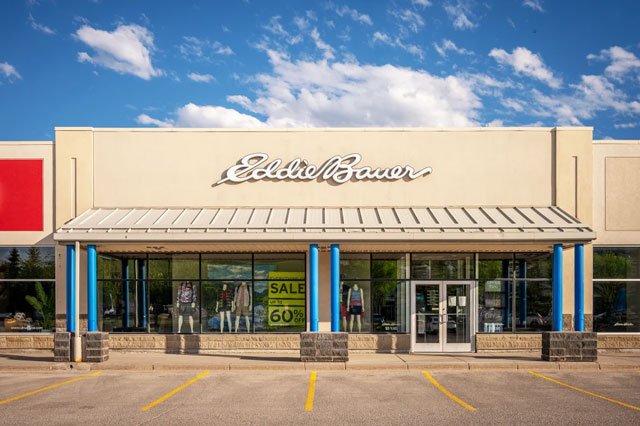
Eddie Bauer’s stores outside North America, e-commerce, and wholesale operations are not affected. Authentic Brands Group retains ownership of the Eddie Bauer intellectual property and may license the brand to other operators. Other brands in Catalyst’s portfolio will continue normal operations.
Founded by avid outdoorsman Eddie Bauer, the company became a pioneer in outdoor gear, producing America’s first patented goose-down jacket in 1936 and outfitting the first American to climb Mount Everest in 1963. Over decades, the brand shifted toward casual apparel, changing ownership multiple times, including stints under General Mills, Spiegel Inc., Golden State Capital, and most recently, SPARC Group and Authentic Brands.
Despite efforts to revitalise the brand, Eddie Bauer faced ongoing challenges such as rising operational costs, tariff uncertainties, and competition from younger, more performance-focused outdoor labels like Fjallraven and Arc’teryx. Analysts note that the brand has struggled to appeal to younger consumers and that product quality concerns have further impacted its relevance.
At its peak in 2001, Eddie Bauer operated nearly 600 stores. Today, it is seeking to recalibrate its U.S. and Canadian presence through the bankruptcy process while retaining its global identity and operations elsewhere.
This filing adds to a growing wave of U.S. retail restructurings, including recent moves by Saks Fifth Avenue, Amazon Go, and Amazon Fresh, as companies adjust to changing consumer habits and financial pressures.