Daijiworld Media Network – New Delhi
New Delhi, Feb 24: As Formula One ushers in sweeping regulation changes, concerns are mounting within the paddock over whether the new era will enhance the spectacle — or make overtaking significantly harder.
Imagine if Fernando Alonso had eased off the throttle at Suzuka in 2005 and never completed his iconic pass on Michael Schumacher. Or if a teenage Max Verstappen had been unable to storm past Nico Rosberg at Interlagos in 2016 because his engine could not cope. Such moments define Formula One — but under the sport’s revamped regulations, some drivers fear they could become rarer.
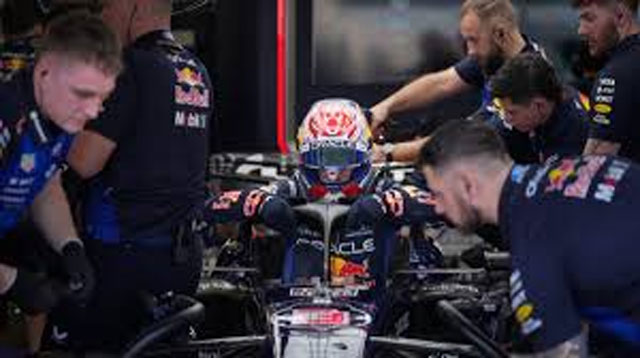
The sport has introduced comprehensive changes to chassis design, power units and tyre specifications, alongside a stronger push toward sustainable fuel usage. While the overhaul aims to modernise the championship and align it with environmental goals, it has also triggered anxiety about race dynamics — particularly overtaking.
Energy management has emerged as a central talking point during pre-season discussions. Drivers have reportedly expressed concern that stricter energy deployment limits could force them to conserve more during wheel-to-wheel battles, potentially reducing spontaneous attacking moves.
Major regulation resets have historically required time for teams to adapt and optimise performance. However, some within the paddock believe the current shift may have unintended consequences if overtaking becomes overly dependent on strategy rather than raw racing instinct.
As teams continue testing and fine-tuning their machinery ahead of the season opener, the coming races will reveal whether Formula One’s bold new direction produces closer competition — or demands a rethink to preserve the thrill that defines the sport.