Daijiworld Media Network – Tehran
Tehran, May 13: Iran’s economy is facing mounting pressure amid the ongoing conflict in West Asia, with soaring inflation, job losses, business shutdowns, and a weakening currency pushing millions of ordinary citizens into financial distress.
While Iran’s control over the Strait of Hormuz has disrupted global energy supplies and impacted international markets, the Islamic Republic itself is struggling under the combined burden of war-related damage, US naval restrictions, sanctions, and prolonged internet shutdowns.
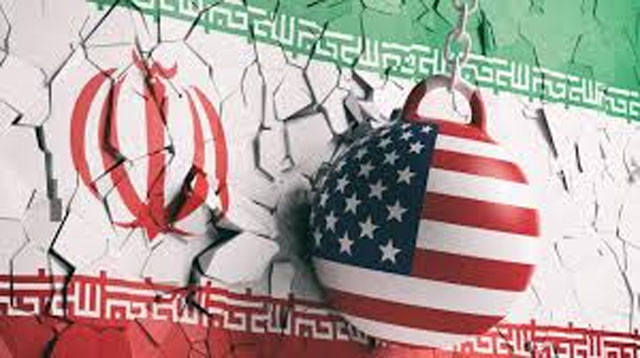
Economists say the economic cost of the conflict has become unprecedented for Iran, with ordinary citizens bearing the heaviest impact through rising prices, shrinking incomes, and deteriorating living conditions.
The International Monetary Fund has projected that Iran’s economy could contract by nearly six percentage points over the next year. Official figures released by Iran’s statistics centre in April showed annual inflation had reached 53.7 per cent, while food inflation crossed 115 per cent compared to the previous year.
At the same time, Iran’s currency, the rial, has lost more than half of its value over the past year, touching a record low of 1.9 million rials against the US dollar last month.
The worsening economic situation has fuelled widespread public anger and protests across the country in recent months.
Residents in Tehran described steep increases in the prices of essential goods including milk, rice, meat, eggs, and tea. An Associated Press survey of grocery stores in the capital reportedly found major price jumps since February, with chicken and lamb prices rising by 45 per cent, rice by 31 per cent, and eggs by nearly 60 per cent.
Many citizens say they are struggling to afford even basic necessities.
Taxi drivers, street vendors, and small business owners told local media that reduced earnings, high inflation, and increasing operational costs were making survival difficult. Several workers also reported layoffs across factories, startups, and private companies.
The conflict has further accelerated the decline of Iran’s once sizeable middle class, which economists say has steadily weakened over decades due to sanctions, economic mismanagement, corruption, and regional conflicts.
A recent United Nations development report warned that the ongoing crisis could push several million more Iranians below the poverty line.
Experts noted that many Iranian families are now reducing food consumption, cutting healthcare expenses, and abandoning non-essential spending in an attempt to cope with the crisis.
The prolonged internet shutdown in the country has also severely disrupted businesses, online services, and employment opportunities, especially for younger workers dependent on digital platforms.
Iranian leaders have appealed to citizens to endure the economic hardships and support the national war effort.
In recent public messages, Iran’s new Supreme Leader Mojtaba Khamenei described the situation as an “economic battlefield” and urged employers to avoid layoffs. Parliament Speaker Mohammad Bagher Qalibaf also appealed to citizens to remain frugal and cooperate with government austerity measures.
Meanwhile, analysts say the US naval blockade has severely restricted Iran’s Gulf trade routes, through which most of the country’s oil exports and imports pass.
Despite the hardships, some citizens continue to support the government’s stance against the United States and Israel, arguing that Iran should not surrender under external pressure.
However, economists warn that while Iran may avoid a complete economic collapse, the long-term social and financial costs for ordinary people are likely to remain severe.