Daijiworld Media Network – New Delhi
New Delhi, May 20: India is considering incentives worth more than $1 billion to accelerate the adoption of electric buses and trucks by private operators, as the government intensifies efforts to reduce fossil-fuel dependence amid a growing energy crisis, according to sources familiar with the matter.
The proposed programme is expected to run for a decade and will primarily target India’s privately owned commercial vehicle sector. Sources said the largest share of incentives could be directed towards inter-city bus operators.
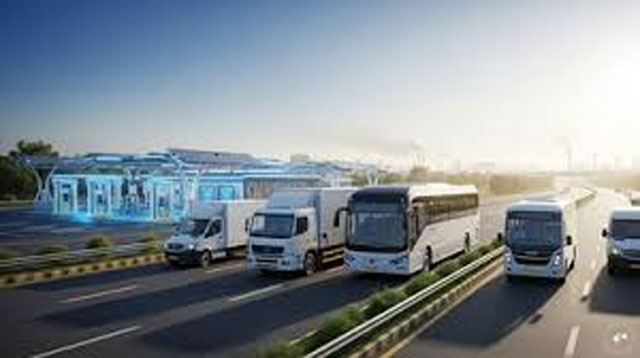
Discussions involving the Prime Minister’s Office and industry stakeholders are likely to take place later this month to finalise the framework of the scheme. However, officials are still working on the final budget allocation, vehicle eligibility criteria and subsidy structure, which may undergo changes.
India has been stepping up measures to reduce its dependence on imported fossil fuels following supply disruptions linked to tensions in the Middle East. The country imports nearly 90 per cent of its crude oil requirements, leaving it vulnerable to geopolitical uncertainties and fluctuations in global fuel prices.
The move is also expected to support India’s fight against worsening air pollution. Studies cited by the International Council on Clean Transportation indicate that vehicular emissions contribute up to 40 per cent of fine particulate pollution annually in cities such as New Delhi.
Although electric bus adoption has increased significantly in recent years, largely driven by state-run transport corporations, diesel-powered buses still dominate new registrations across the country.
Compared to India, countries such as China, the United States and several European nations are moving faster in electrifying commercial transport fleets. China already operates hundreds of thousands of electric buses and trucks, while Western nations are rapidly expanding electric public transport and logistics networks.
India currently has more than 2 million buses on its roads, but government-operated fleets account for only around 5 per cent of the total. Almost all trucks, which are among the largest diesel consumers, are privately owned.
Officials are now exploring ways to encourage smaller fleet operators to switch to electric vehicles despite high upfront costs and financing challenges.
Among the proposals under consideration are interest subvention benefits of up to Rs 15 lakh per vehicle over its operational lifetime, with subsidies likely to reduce gradually over time. The government is also evaluating a partial credit guarantee mechanism to encourage lenders to finance electric commercial vehicles for private operators.
Consultations are underway with banks, guarantee providers, vehicle manufacturers and fleet operators as part of the policy formulation process.
Initial discussions reportedly focus on supporting around 10,000 electric buses, with plans to eventually expand the programme to cover 40,000 to 50,000 vehicles.
Industry stakeholders have also sought additional measures such as charging parks, toll exemptions, tax waivers and electricity concessions to reduce operational costs and improve viability.
The Ministry of Heavy Industries, which oversees India’s electric mobility initiatives, has not yet issued an official response on the proposed plan.