Daijiworld Media Network - Boston
Boston, May 23: A new study has found that plant-based diets rich in fruits, vegetables, legumes and whole grains may help women manage weight gain and reduce obesity risk during menopause.
The research, conducted by scientists from Harvard University and the National University of Singapore, tracked the eating habits and weight changes of more than 38,000 women over a 12-year period surrounding menopause.
The findings, published in JAMA Network Open on May 20, suggested that healthy dietary patterns could significantly influence metabolic health during menopause, a stage often associated with hormonal changes and weight gain.
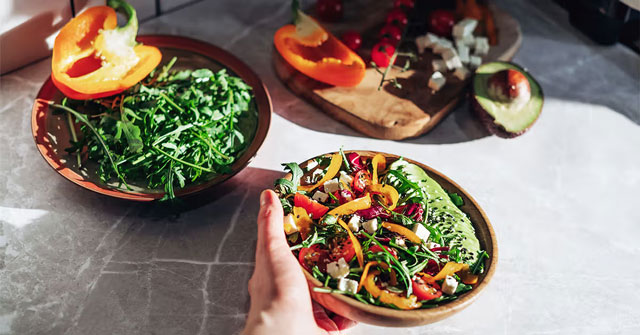
Researchers analysed dietary habits using data from the long-running Nurses’ Health Study II, which began in 1989 and involves female nurses across the United States.
Participants completed detailed food questionnaires every four years, allowing researchers to assess adherence to various diets including the Mediterranean diet, DASH diet, plant-based diets and the Planetary Health Diet.
The study found that women who followed healthier diets gained less weight and had a lower risk of obesity compared to those consuming diets high in processed foods, red meat and salty snacks.
Researchers noted that the Planetary Health Diet offered the strongest protection against obesity. The diet focuses on plant proteins, healthy fats, fruits, vegetables and whole grains while limiting red meat and refined carbohydrates.
The study also highlighted that diets with lower insulin-boosting potential were linked to the least weight gain. Foods such as processed meats, fried potatoes and salty snacks were associated with increased obesity risk.
Consumption of ultra-processed foods, including sugary drinks and packaged snacks, was also linked to greater weight gain during menopause.
Experts said menopause-related hormonal changes, particularly declining estrogen levels, often contribute to increased abdominal fat storage and slower metabolism.
Registered dietitian Jennifer Pallian said plant-forward diets may help because they are high in fibre and water content, improving satiety and reducing overall calorie intake.
She explained that fibre supports appetite regulation and may improve gut health and insulin sensitivity.
Another dietitian, Avery Zenker, advised women to gradually include more plant-based foods rather than making drastic dietary changes.
She suggested starting with familiar plant-based foods such as pasta, potatoes, bananas and peanut butter, while also exploring new recipes and restaurant options.
Experts also recommended limiting ultra-processed foods and ensuring adequate intake of nutrients such as vitamin B12, vitamin D, calcium, iron and zinc, especially for those following fully plant-based diets.
Researchers concluded that diets centred on whole plant foods and reduced consumption of processed and fried foods may help women maintain healthier body weight and metabolic health during menopause.