Daijiworld Media Network - Washington
Washington, May 30: US President Donald Trump concluded a high-level meeting in the White House Situation Room on a proposed agreement with Iran without announcing a final decision, leaving negotiations between Washington and Tehran ongoing.
The closed-door meeting, which reportedly lasted around two hours, focused on a proposal aimed at extending the current ceasefire with Iran, ensuring the reopening of the strategically important Strait of Hormuz, and establishing a framework for discussions on Tehran’s nuclear programme.
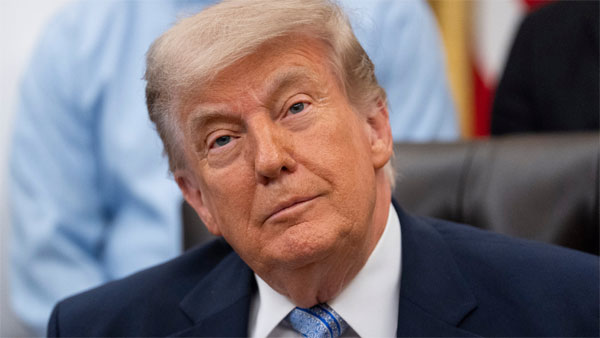
Despite earlier indications that Trump was prepared to make a “final determination” on the proposal, no formal announcement followed the meeting. White House officials reiterated the administration’s long-standing position that Iran must never be allowed to acquire a nuclear weapon but provided no details on whether a decision had been reached.
According to reports, the proposed memorandum of understanding under discussion would extend the existing ceasefire for an additional 60 days while negotiators work toward a broader agreement covering nuclear issues, regional security concerns, and the future of Iran’s stockpile of enriched uranium.
Ahead of the meeting, Trump publicly outlined several conditions for any agreement, including unrestricted navigation through the Strait of Hormuz, removal of maritime mines, a permanent commitment by Iran not to pursue nuclear weapons, and provisions for the removal or destruction of highly enriched uranium.
Iran, however, signalled that significant issues remain unresolved. Iranian Foreign Ministry spokesperson Esmaeil Baghaei stated that exchanges between Tehran and Washington are continuing but emphasised that no memorandum or final agreement has yet been concluded.
Reports indicate that Iranian negotiators continue to oppose several American demands, while internal political divisions within Iran have complicated efforts to secure consensus on a potential deal.
Nevertheless, officials on both sides have suggested that diplomacy remains active. Iranian representatives are reportedly seeking access to frozen financial assets and relief from economic restrictions, while the United States continues to focus on nuclear safeguards and broader regional security commitments.
The Strait of Hormuz remains one of the central issues in the negotiations. The waterway is one of the world's most important energy transit routes, carrying roughly one-fifth of global oil supplies and serving as a critical link between the Persian Gulf and international markets.
Recent tensions in the area have underscored its strategic importance. Iranian naval forces reportedly intercepted vessels near the strait, further highlighting concerns over maritime security and global energy flows.
International economic institutions have also expressed concern about the potential consequences of prolonged instability in the region. Experts have warned that disruptions to shipping through the Strait of Hormuz could affect fuel supplies, energy prices, and broader global economic stability.
Financial markets reacted positively to signs that negotiations remain on track, with reports indicating a decline in oil prices and gains in US equity markets amid expectations that a diplomatic solution could help stabilise energy trade routes.
Meanwhile, US Treasury Secretary Scott Bessent said American authorities had seized approximately $1 billion in Iranian cryptocurrency-linked assets as part of ongoing economic pressure measures targeting Tehran.
The latest round of diplomacy follows months of heightened tensions and conflict involving the United States, Iran, and Israel, which have raised concerns about wider regional instability and disruptions to global energy markets. While negotiators appear closer to an understanding than in previous rounds, several key issues remain unresolved before any final agreement can be reached.