Daijiworld Media Network - New Delhi
New Delhi, June 22: The postponement of the fourth India-Africa Forum Summit due to concerns surrounding the Bundibugyo Ebola outbreak has highlighted India’s growing importance as a rapid-response vaccine manufacturing hub for African nations, according to a new report.
The summit, which was originally scheduled to be held in New Delhi from May 28 to 31, was deferred amid an emerging public health situation triggered by Ebola outbreaks in the Democratic Republic of the Congo and Uganda.
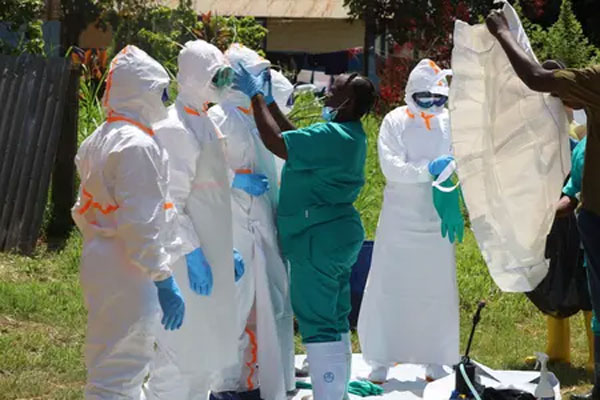
According to a report published by South Africa-based media outlet IOL, the postponement underscored India's crucial role in accelerating vaccine production and strengthening health cooperation with African countries.
The report noted that India's swift intervention through Serum Institute of India (SII) has positioned New Delhi as an indispensable partner capable of responding quickly during public health emergencies.
Working in collaboration with Coalition for Epidemic Preparedness Innovations (CEPI), University of Oxford and African stakeholders, SII is developing a vaccine targeting the Bundibugyo strain of the Ebola virus.
The initiative builds on India's experience during the Covid-19 pandemic, when the Serum Institute emerged as one of the world's largest vaccine suppliers, delivering billions of affordable doses to countries across the Global South, including numerous African nations.
The institute is currently using the ChAdOx1 technology platform to produce the Bundibugyo Ebola vaccine, with reports indicating that clinical-grade doses could be ready for trials within two to three months.
The report said the rapid intervention demonstrates India's commitment to ensuring affordable access to vaccines while coordinating closely with African partners on clinical trials and distribution planning.
“This swift intervention positions India as a reliable big brother to Africa, prioritising affordable access for affected nations while working closely with African counterparts on trial preparedness and distribution planning,” the report stated.
Meanwhile, the African Union, through the Africa Centres for Disease Control and Prevention, has declared a Public Health Emergency and is pushing for vaccine availability before the end of the year.
The report also highlighted that while international partnerships remain essential, Africa must continue investing in its own biotechnology capabilities.
It stressed that long-term self-reliance would require sustained investment in local vaccine manufacturing, technology transfer and the establishment of unified regulatory systems across the continent.
Beyond healthcare, the report noted that India has continued providing humanitarian assistance to African countries, including the donation of 1,000 metric tonnes of aid to Burkina Faso and additional support to Malawi and Mozambique.
The report concluded that partnerships involving India, CEPI, Oxford and African institutions are important bridges towards strengthening Africa's healthcare resilience, while emphasising that sustainable self-sufficiency will depend on building robust local scientific and manufacturing ecosystems.