Daijiworld Media Network - Panaji
Panaji, Jul 6: Continuous rainfall over the past two weeks has improved water storage in Goa's reservoirs, but most major dams remain well below their expected levels for this time of the monsoon, raising concerns about water availability in the coming summer.
The state's largest reservoir, Selaulim Dam, which supplies drinking water to much of South Goa, is currently at 37 per cent of its storage capacity. Traditionally, the reservoir reaches full capacity and begins overflowing through its iconic duckbill spillway by July 7, but officials now believe the spillover may not occur until August.
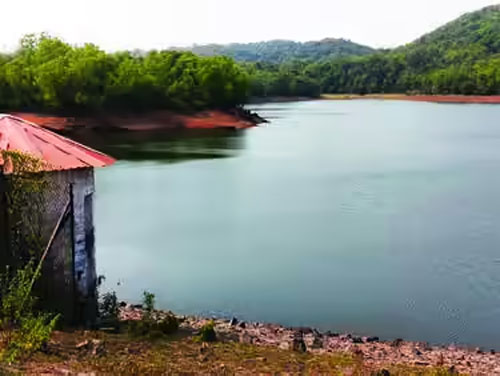
The last time Selaulim failed to reach full capacity by July 7 was in 2016. In contrast, last year the reservoir had already reached 50 per cent capacity by June 8 and recorded its earliest spillover in 25 years on June 26.
Water levels in other reservoirs are also lagging behind their normal schedule. Anjunem Dam in Sattari, which was the last reservoir to fill during the previous monsoon, is currently only 15 per cent full. Last year, all reservoirs except Anjunem had reached full capacity by July 2, while Anjunem filled by July 15.
Officials attribute the slower rise in reservoir levels to the absence of adequate pre-monsoon showers and subdued monsoon activity during much of June, which left water storage across the state at unusually low levels before heavy rains intensified.
The Tillari Reservoir in Dodamarg, which supplements water supply to Bardez, Bicholim and Pernem talukas, is presently 36 per cent full, while the Panchwadi Reservoir in Shiroda has reached 32 per cent of its capacity.
Among the better-performing reservoirs, Amthane Dam has filled up to 62 per cent, raising hopes that it could approach full capacity by the middle of July if the ongoing spell of heavy rainfall continues. The Gaunem and Chapoli reservoirs in Canacona currently stand at 64 per cent and 52 per cent capacity, respectively, levels they would normally achieve by early or mid-June.
The state's reservoir storage is closely monitored as it determines Goa's drinking water supply during the dry months. Chief Minister Pramod Sawant had recently emphasised that the water accumulated during the current monsoon will need to meet the state's requirements until the arrival of the next monsoon in June 2027, making the performance of reservoirs over the coming weeks particularly significant.