Daijiworld Media Network – Washington
Washington, Sep 16: The US House of Representatives is moving towards a vote on legislation that would give President Donald Trump expanded powers to impose tariffs of up to 100 per cent on countries purchasing Russian oil and gas, with India emerging as a key focus of the debate.
The legislation, known as the Lindsey O. Graham Sanctioning Russia and Iran Act of 2026, has already cleared the US Senate with an 86-11 vote. The House Rules Committee has advanced the measure for consideration by the full chamber. The bill seeks tougher sanctions against Russia and Iran while expanding presidential authority to impose tariffs on countries buying Russian energy.
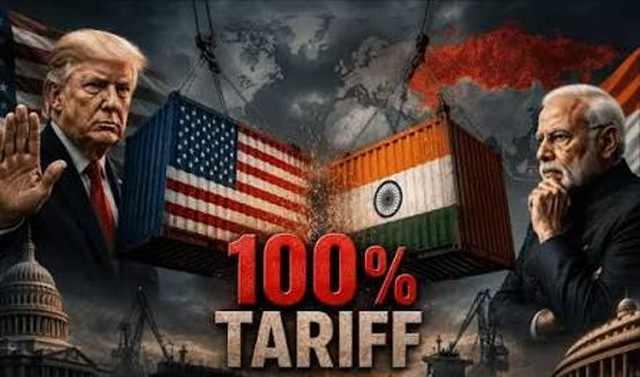
A proposed House amendment sponsored by Democratic Representative Steny Hoyer specifically named India among 10 countries that could potentially face tariffs of up to 100 per cent under the secondary tariff provisions. The other countries listed were China, the UAE, Türkiye, Azerbaijan, Hungary, Singapore, Kazakhstan, Kyrgyzstan and the Slovak Republic.
However, India's inclusion in the proposed amendment does not mean that a 100 per cent tariff has been approved or imposed. The House Rules Committee voted against making the amendment eligible for consideration, meaning the proposed list was not adopted as part of the House process.
The Senate-approved version does not specifically name India. Instead, it provides a broader framework that could allow tariffs of up to 100 per cent on major purchasers of Russian energy, subject to conditions and exceptions contained in the legislation.
Another House proposal, led by Representative Gregory Meeks, sought to remove the provisions expanding the president's authority to impose secondary tariffs. That proposal also failed to advance in the Rules Committee. Critics have raised concerns that the expanded tariff powers could affect US trading partners and increase costs for American importers and consumers.
India has remained under scrutiny because of its purchases of Russian crude oil. The proposed legislation could therefore have implications for India-US trade if the tariff provisions become law and are subsequently applied by the US president. The final impact will depend on the legislation ultimately approved by Congress and how the administration exercises any powers granted under it.