Daijiworld Media Network - Dhaka
Dhaka, Oct 3: Bangladesh has entered October under mounting healthcare pressure as dengue infections surge after September emerged as the deadliest month of 2026, with hospitals also grappling with a widespread measles outbreak, a report said.
The surge poses an immediate healthcare challenge and a broader policy dilemma over how to expand treatment while addressing environmental and service-delivery gaps that are fuelling the spread of infections, according to a report published by media platform Devdiscourse.
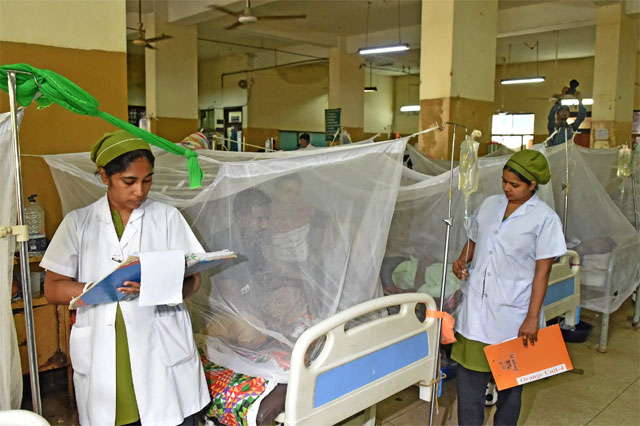
Citing Health Ministry figures, the report said dengue has claimed at least 245 lives and resulted in 79,620 hospital admissions since January.
September alone accounted for 148 deaths, compared with 43 in August and 36 in July, meaning nearly 60 per cent of the year's reported dengue fatalities occurred in a single month.
Kabirul Bashar, a medical entomologist at Jahangirnagar University, warned that the dengue situation could deteriorate further in October.
According to his forecasting model, rainfall recorded in September could continue to influence transmission through delayed effects, while weather conditions remain conducive to mosquito activity, the report said.
“The forecast strengthens the case for preparing staff, diagnostic services, essential supplies and referral arrangements before admissions rise further. It should nevertheless be understood as an expert projection rather than a confirmed outcome,” the report said.
It added that the rise in deaths also requires investigation, as the available figures cannot establish whether fatalities are due to more infections, delayed presentation, difficulties in accessing care or other factors.
“For health authorities, identifying these differences is essential because each requires a different response,” the report said.
The report noted that as dengue cases surge, Bangladesh's hospitals are also dealing with a major measles outbreak.
According to government data cited in the report, 21,520 measles cases have been confirmed since March 15, while more than 190,000 people have sought treatment for suspected measles or similar symptoms. More than 1,100 children have reportedly died from measles this year.
“Although dengue and measles require different prevention strategies, they draw on overlapping healthcare resources. Both can increase demand for clinical staff, diagnostics, hospital space and reliable supplies,” the report said.
It added that expanding dengue care while allowing routine vaccination or other essential services to weaken could prolong the broader health emergency.
“Policymakers therefore need a coordinated response that protects childhood immunisation while strengthening dengue treatment. District-level information on admissions, bed availability and referral delays would help direct resources towards the greatest needs,” it noted.