Daijiworld Media Network - Singapore
Singapore, Oct 5: Oil prices rose on Monday after Yemen's Iran-backed Houthi group said it had launched ballistic missiles and drones at Saudi Aramco sites in Riyadh and the Khurais area of Saudi Arabia, raising concerns over possible disruptions to production in the world's leading oil-exporting region.
Brent crude futures climbed 81 cents, or 0.79 per cent, to $103.06 a barrel by 2202 GMT, while US West Texas Intermediate (WTI) crude rose 46 cents, or 0.50 per cent, to $91.57 a barrel.
The Houthi group said the attacks were carried out in response to 50 Saudi-led air and missile strikes on Yemen during the preceding 12 hours. Saudi authorities had not immediately confirmed the reported attacks or any damage to oil facilities.
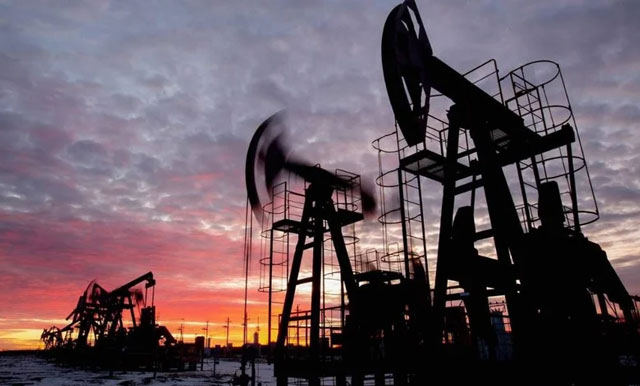
The latest strikes came amid an escalation in fighting between the Houthis and Saudi-backed forces in Yemen. On Sunday, Yemen's internationally recognised, Saudi-backed government announced a major military campaign aimed at recapturing areas controlled by the Iran-backed Houthis.
The attacks have heightened concerns over the security of Saudi Arabia's energy infrastructure. A day earlier, the Houthis claimed responsibility for a missile and drone attack on an Aramco facility in Riyadh. A witness reported seeing a large plume of smoke and fire near the facility, although there was no immediate confirmation from Saudi authorities or Aramco.
However, oil prices later came under pressure as Middle Eastern crude exports increased and Group of Seven nations prepared to release 100 million barrels of crude and diesel from emergency reserves. The additional supplies helped ease some immediate concerns over a potential shortage.
Middle Eastern crude exports rose above pre-war levels on four of the seven days in the final week of September, according to shipping data cited by Reuters. Saudi export volumes have also been moving back towards pre-war levels, although shipments are reportedly taking costlier and less efficient routes amid continuing security risks.
Saudi Aramco has also unexpectedly reduced its November crude prices for Asian buyers to six-year lows, while OPEC+ has delayed a review concerning 2027 production quotas after the conflict disrupted projects aimed at expanding oil-production capacity in the region.
Despite the easing in prices later in the session, continued attacks on energy infrastructure and shipping routes in the Middle East remain a major concern for global oil markets, with any sustained disruption to Saudi production potentially tightening supplies and pushing prices higher.