Daijiworld Media Network – New Delhi
New Delhi, Jan 21: Many people grow up hearing that cold weather makes you sick, whether it’s stepping outside without a coat, sleeping in a chilly room, or getting caught in rain or snow. While this belief feels true because illness often follows cold exposure, modern research shows the connection is more nuanced: cold air itself does not directly cause infections.
Colds and flu are caused by viruses, such as rhinoviruses and influenza viruses, which spread through respiratory droplets or physical contact, regardless of the temperature outside. However, respiratory infections do increase during colder months, largely due to how cold weather affects viruses, our bodies, and our behaviour.
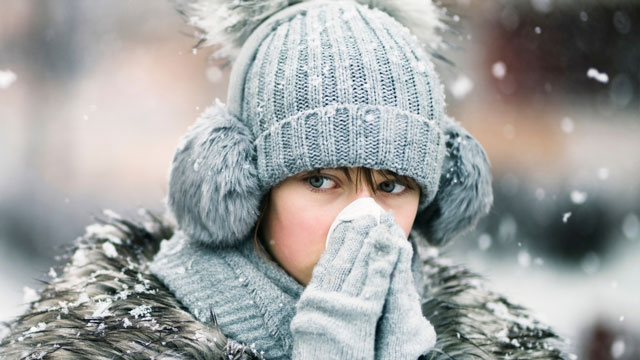
• Virus Survival: Cold, dry air helps viruses survive longer in the environment. Tiny droplets carrying viruses evaporate quickly in dry air, creating smaller particles that can float in the air and reach others more easily.
• Weakened Defences: Breathing cold air lowers the temperature in the nose and airways, triggering vasoconstriction (narrowing of blood vessels). This reduces blood flow to nasal tissues, weakening local immune defences and making it easier for viruses to take hold. Cold exposure can also disrupt mucus function in the airways, which normally traps and removes viruses.
• Behavioural Factors: People spend more time indoors in close contact during winter, increasing the chance of viral transmission. Poor ventilation and crowded spaces amplify this effect.
• Vitamin D Levels: Reduced sunlight exposure in winter lowers vitamin D production, which is important for immune function. Lower vitamin D can contribute to weaker immune responses.
Cold conditions can particularly affect people with pre-existing respiratory conditions, such as asthma or allergic rhinitis, worsening symptoms and making infections more severe.
Stepping outside in the cold or feeling chilled does not directly cause a cold or flu. Cold acts as a risk amplifier—it creates conditions that allow viruses to survive, spread, and overcome the body’s defences.
• Improve indoor ventilation and maintain adequate humidity.
• Support immune health, including ensuring sufficient vitamin D levels.
• Focus on hygiene and reducing exposure to viruses through handwashing and avoiding close contact with sick individuals.
Colds and flu peak in winter not because cold weather creates viruses, but because it helps them thrive and reduces our natural defences. Understanding this helps us take effective preventive measures while dispelling a common but misleading belief about cold weather and illness.