Daijiworld Media Network - New Delhi
New Delhi, Mar 4: In the high-stakes world of cardiac emergencies, medical experts have underlined a narrow but life-saving window — the first 10 minutes of a heart attack. According to leading cardiologists, actions taken during this brief period largely determine survival chances and the extent of long-term heart damage.
Dr Amit Bhushan Sharma, director and unit head of cardiology at Paras Hospitals, Gurugram, said a heart attack — particularly a STEMI (ST-elevation myocardial infarction) — is a race against time.
“The first 10 minutes of a heart attack are critical and can mean the difference between life and death. Most heart attacks occur when a blood clot suddenly blocks a coronary artery, cutting off oxygen supply to the heart muscle. Early recognition of symptoms is essential. Time is muscle — the sooner blood flow is restored, the better the survival and recovery outcomes,” he explained.
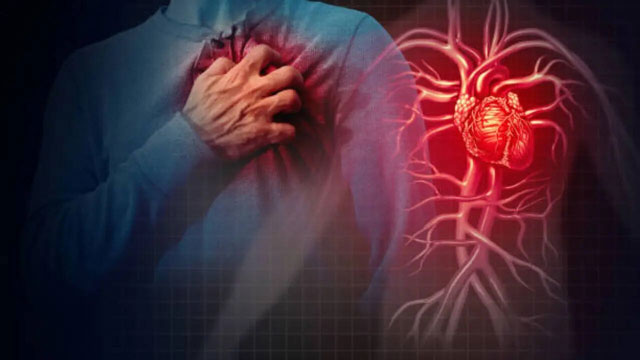
Doctors caution that symptoms are not always dramatic. While popular portrayals often show sudden chest clutching, real-life warning signs can be subtle.
Common symptoms include:
Chest pain or pressure that may radiate to the arm, neck, jaw or back
Shortness of breath and cold sweats
Nausea and lightheadedness
Atypical symptoms — more common in women, older adults and diabetics — may include unusual fatigue, mild discomfort resembling indigestion and unexplained anxiety.
Dr Venkat Rayudu Nekkanti of Apollo Hospitals, Hyderabad, warned against dismissing early signs.
“Many people ignore these warning signals and lose precious time. Immediate medical attention is vital. Do not attempt to drive yourself; call emergency services and chew an aspirin if not contraindicated. Early intervention can significantly reduce heart muscle damage and improve survival. Recognising the signs quickly and acting without delay is the strongest defence against irreversible cardiac injury,” he said.
Experts recommend the following immediate steps:
Call emergency services instead of driving yourself to the hospital
Stay calm and seated to reduce strain on the heart
Chew a regular-strength aspirin, unless allergic or medically advised otherwise
Even after reaching the hospital, every second matters. Dr Sharma highlighted two key quality benchmarks in treating confirmed STEMI cases: administering clot-busting medication within 30 minutes and performing artery-opening angioplasty within 60 minutes of arrival.
“These benchmarks are crucial. Faster reperfusion means more heart muscle is saved. In a medical emergency, every second counts,” he added.
Doctors urged the public to prioritise speed over certainty, stressing that it is safer to seek emergency care for symptoms that turn out to be minor rather than delay treatment during a cardiac event.