Daijiworld Media Network - Washington
Washington, Mar 25: Amid the ongoing Iran conflict, concerns have emerged over the nature of briefings received by Donald Trump, with reports suggesting that daily military updates presented to him focus largely on successful strikes.
According to multiple US officials, the briefings include short video montages—typically around two minutes—compiled by the US military, showcasing footage of major strikes on Iranian targets over the previous 48 hours. One official described the clips as “a series of stuff blowing up”.
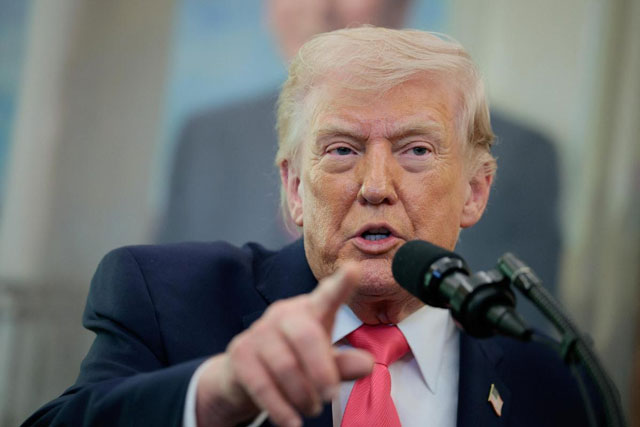
While Trump is also briefed through discussions with advisers, intelligence officials, and foreign leaders, some within his circle fear that the curated videos may not reflect the full scope of the war, now in its fourth week. Concerns have been raised that setbacks or Iranian responses may not be equally emphasised.
The White House, however, has rejected such claims. Press Secretary Karoline Leavitt stated that the President receives comprehensive and honest inputs from his advisers, while Defence Department spokesperson Sean Parnell described the ongoing military campaign, dubbed “Operation Epic Fury,” as a success.
Despite this, sources indicated that certain incidents—such as reported damage to US refuelling aircraft in Saudi Arabia—were not initially included in briefings and were learned by Trump through media reports. This has reportedly led to frustration within the administration over news coverage.
Officials noted that the military conducts hundreds of strikes, making it impractical to brief every development. As a result, summaries tend to highlight key operations, particularly those deemed successful.
The situation has drawn comparisons with past conflicts, including the Vietnam War and the Iraq War, where administrations faced criticism for presenting overly optimistic narratives.
With public opinion in the US divided and scrutiny of the war increasing, questions remain over whether the flow of information to the President is sufficiently balanced to guide critical decisions in the evolving conflict.