Daijiworld Media Network – New Delhi
New Delhi, May 13: Prime Minister Narendra Modi has significantly reduced the number of vehicles in his official convoy as part of a wider push towards restraint and fuel conservation amid the ongoing crisis in West Asia, with the Centre projecting the move as an example for states to emulate.
According to sources, the reduced convoy arrangement was implemented during the prime minister’s recent visits to Gujarat and Assam. The decision came shortly after PM Modi appealed to citizens to cut down on petrol and diesel consumption, avoid unnecessary foreign travel, and adopt work-from-home arrangements wherever feasible in view of concerns over the global energy situation.
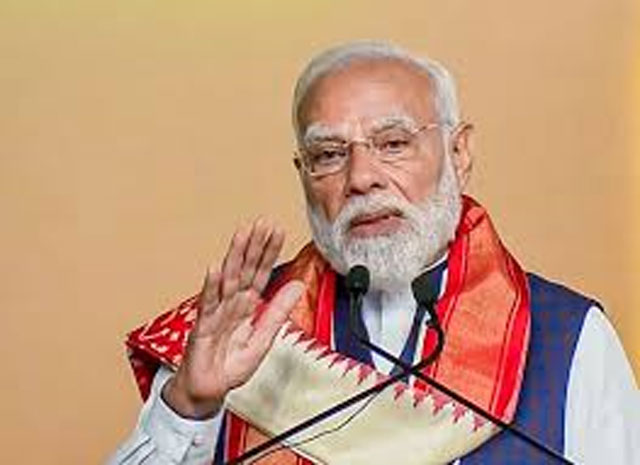
Officials said the prime minister chose to personally follow the measures he had urged citizens to adopt, leading to a substantial reduction in the number of vehicles accompanying his convoy. The scaled-down convoy was first noticed after PM Modi made the appeal during an event in Hyderabad and was later seen during his visits to Vadodara and Guwahati.
Sources clarified that there has been no compromise on the prime minister’s security, with all mandatory SPG protocols and security arrangements remaining fully intact. Only the number of accompanying vehicles has reportedly been rationalised.
During the swearing-in ceremony of Assam Chief Minister Himanta Biswa Sarma on Tuesday, the Prime Minister’s Office is also learnt to have distributed copies of PM Modi’s speech and an action plan to chief ministers present at the event, urging restraint in the wake of the escalating West Asia crisis.
The action plan reportedly advised states to increase the use of electric vehicles, rely more on virtual meetings, and adopt energy-saving measures amid ongoing international uncertainty. Following the ceremony, several chief ministers are learnt to have reduced the size of their own convoys and initiated similar austerity measures in their respective states.
In recent days, PM Modi has repeatedly stressed the need for conservation and restraint as tensions in West Asia continue to raise concerns over global fuel supplies and India’s import bill. Addressing the public earlier this week, the prime minister urged citizens to avoid panic buying, reduce unnecessary fuel usage, and adopt energy-saving practices in daily life.
Government sources maintained that India currently has adequate fuel reserves and there is no immediate shortage. However, officials are increasingly focusing on reducing consumption as a precautionary measure amid uncertainty over shipping routes and crude oil supplies.
The Centre has also reportedly initiated internal austerity measures, including promoting virtual meetings, limiting official travel, encouraging public transport and EV usage, and rationalising vehicle deployment across government departments.
Officials said the government wants states, institutions, and citizens to collectively contribute towards conservation efforts while avoiding panic over the evolving geopolitical situation.