Daijiworld Media Network - London
London, Jun 19: The HPV vaccine has reduced the risk of dying from cervical cancer before the age of 30 to almost zero in England, according to a landmark study that provides the strongest evidence yet of the vaccine's life-saving impact.
Researchers analysing nationwide mortality data found that no deaths from cervical cancer were recorded among women under 30 during the period from 2020 to 2024. The study also reported an 80 per cent reduction in deaths in the same age group between 2015 and 2019.
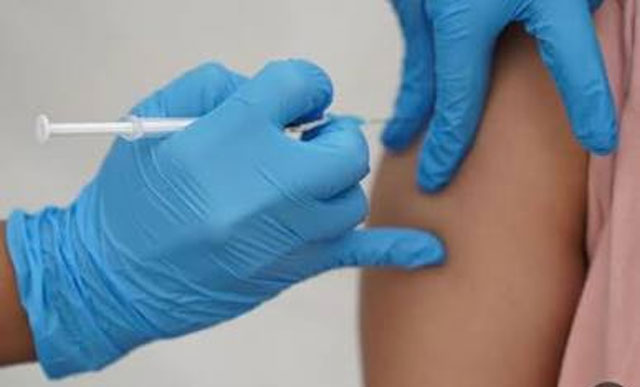
The findings, published by researchers from Queen Mary University of London and funded by Cancer Research UK, highlight the success of the human papillomavirus (HPV) vaccination programme introduced for girls aged 12 to 13 in 2008.
“Thanks to HPV vaccination and cervical screening, a future where almost nobody gets cervical cancer is now firmly in sight,” said Michelle Mitchell, Chief Executive of Cancer Research UK.
HPV is the most common sexually transmitted infection, and certain strains are known to cause cervical cancer as well as several other cancers later in life. The vaccine was extended to boys in the United Kingdom in 2019.
Researchers said this is the first study to directly demonstrate a reduction in cervical cancer deaths linked to HPV vaccination.
“With vaccinated generations now reaching adulthood, this study provides the strongest national evidence to date that the vaccine is saving lives,” Cancer Research UK said.
Lead author Professor Peter Sasieni, a cancer epidemiologist, said decades of research had already established that the vaccine prevents HPV infections, precancerous changes and cervical cancer itself.
“This is the first study to highlight the impact of HPV vaccinations on cervical cancer mortality,” he said.
The researchers estimate that since its introduction, the HPV vaccination programme has prevented nearly 200 deaths from cervical cancer among young women in England.
The study found that girls vaccinated between the ages of 12 and 13, when the vaccine is most effective, now face an almost negligible risk of dying from cervical cancer before turning 30.
However, health experts warned that declining vaccination rates could threaten future progress. While vaccination coverage among the study cohort was close to 90 per cent, current uptake among girls aged 15 in the UK ranges between 76 and 86 per cent, below the World Health Organization's target of 90 per cent.
Mitchell urged governments and health authorities to improve vaccine access and uptake, particularly in communities where coverage remains low.
The World Health Organization launched a global strategy in 2020 aimed at eliminating cervical cancer, one of the most common cancers affecting women worldwide. Experts say the latest findings provide strong evidence that widespread HPV vaccination can play a crucial role in achieving that goal.