Daijiworld Media Network - New Delhi
New Delhi, Mar 25: India’s fight against tuberculosis is entering a complex phase, with multidrug-resistant TB (MDR-TB) emerging as a major concern even as overall cases decline, experts have said.
According to the World Health Organization Global TB Report 2025, India accounted for 32 per cent of global multidrug-resistant and rifampicin-resistant TB cases in 2024, even as overall TB incidence dropped by 21 per cent since 2015.
Data from the National TB Elimination Programme (NTEP) shows total TB notifications rising from 25.5 lakh to 26.07 lakh in 2024. Meanwhile, patients undergoing treatment for drug-resistant TB are projected to increase from 1.34 lakh in 2021 to over 2 lakh by 2026.
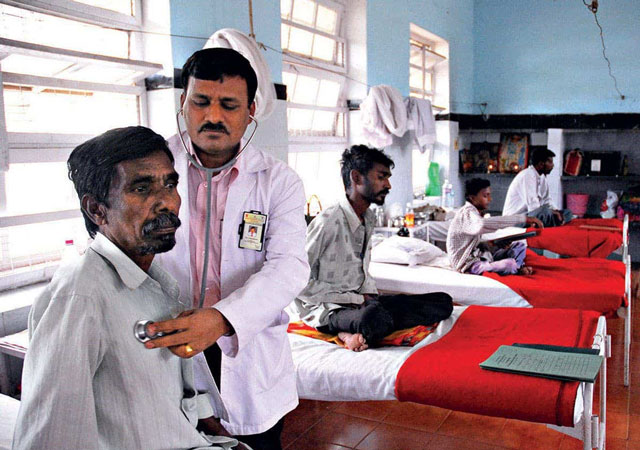
Experts say the rise reflects both improved detection and deeper systemic gaps. Sabine Kapasi noted that India is now confronting the more complex end of the epidemic, with better diagnostics bringing previously underreported cases to light.
She pointed out that interrupted or incomplete treatment remains a key driver of drug resistance, often due to socioeconomic challenges, migration, and lack of patient support systems. Factors such as undernutrition, co-morbidities, and population density further worsen vulnerability.
At the same time, advancements in treatment are improving outcomes. Success rates for MDR-TB have reached 75–80 per cent with shorter, all-oral BPaL regimens, according to recent reports.
Hariprasad V S from Apollo Hospitals said newer therapies have reduced treatment duration and eliminated the need for painful injections, improving patient compliance. Rapid molecular tests such as Xpert MTB/XDR and CBNAAT now enable diagnosis within hours, compared to weeks earlier.
Beyond medical advances, experts emphasised the importance of nutrition, noting that a high-protein diet helps boost immunity and supports recovery during treatment.
The human impact of MDR-TB remains severe, with patients often facing long treatment periods along with social stigma and isolation. Survivors are now playing a key role in awareness efforts at the grassroots level.
Former patients like Ritu Giri, Kiran Kumari, and Sonu Kumari have emerged as community advocates, encouraging early diagnosis, strict adherence to medication, and combating stigma associated with the disease.
Health experts stress that while India has made progress in diagnostics and treatment, addressing gaps in awareness, treatment continuity, and social support remains critical.
They underline that a combination of stronger health systems and community-driven initiatives will be essential for India to achieve its goal of eliminating tuberculosis.