Daijiworld Media Network - New Delhi
New Delhi, May 11: Congress leader Rahul Gandhi has criticised Prime Minister Narendra Modi over his recent appeal urging citizens to reduce fuel consumption, limit gold purchases, and postpone foreign travel amid rising global economic pressures linked to the US-Iran conflict and energy crisis.
Reacting on social media platform X, Rahul Gandhi said that the situation reflected a deeper governance failure rather than a temporary economic advisory. He argued that citizens being asked to alter everyday spending habits is a sign of economic strain that has built up over the past decade.
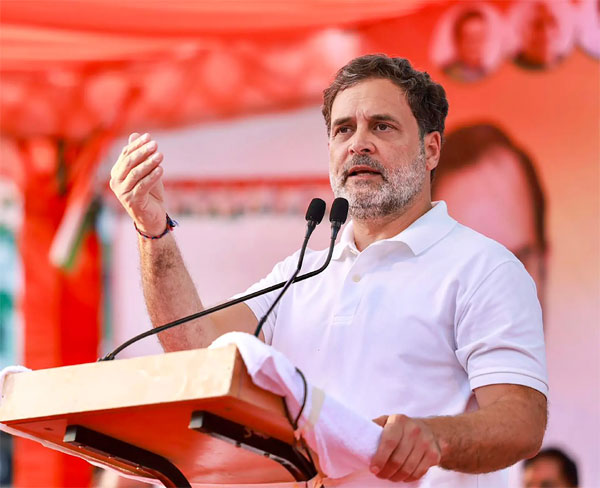
Referring to the Prime Minister’s message, he wrote that calls to avoid buying gold, reduce petrol usage, cut down on fertilisers and cooking oil consumption, and shift to public transport or work-from-home arrangements were not merely advisory in nature but indicative of deeper policy shortcomings.
He further said that over the last 12 years, the country has reached a point where people are being instructed on what to buy, where to travel, and how to manage basic consumption choices, adding that responsibility is being shifted to citizens to avoid accountability at the top.
The remarks come after Prime Minister Modi, addressing a public gathering in Hyderabad on Sunday, urged citizens to adopt what he termed “economic discipline” amid global instability. He called for reduced non-essential expenditure, including postponing foreign travel and limiting gold purchases for one year, to help conserve foreign exchange reserves.
The Prime Minister framed his appeal as part of a broader strategy to strengthen India’s economic resilience during a period of global uncertainty driven by rising energy prices, supply chain disruptions, and geopolitical tensions in West Asia.
He also encouraged greater use of public transport, reduced fuel consumption, adoption of natural farming practices, and increased support for domestically produced goods under the broader “swadeshi” economic approach.
The political exchange highlights growing debate between the ruling government and the opposition over economic management and the impact of global crises on domestic policy decisions.